
Lady Lazarus
“I have done it again.
One year in every ten
I manage it—
…Dying
Is an art, like everything else.
I do it exceptionally well….”
Sylvia Plath
Excerpt from poem in Ariel (New York: Harper & Row, 1965)
Commentary
On the evening of February 11, 1963, Sylvia Plath tucked her two children into bed before putting her head in the oven and taking her own life through the inhalation of natural gas. Her short and tragic existence was marred by what she saw as a failed and abusive marriage to the poet Ted Hughes, who was at the time of their marriage carrying on an affair with another poet, Assia Wevill. Her first suicide attempt was as an undergraduate at Smith College; since that incident, her life and work have become inextricably linked to her death. Her work, which includes two collections of poems and one full-length novel, explores themes of death and suicide but also of motherhood and nature. Among her works is “Lady Lazarus,” which was written in the months before her death and remains a strikingly provocative piece that is among her most well-known.
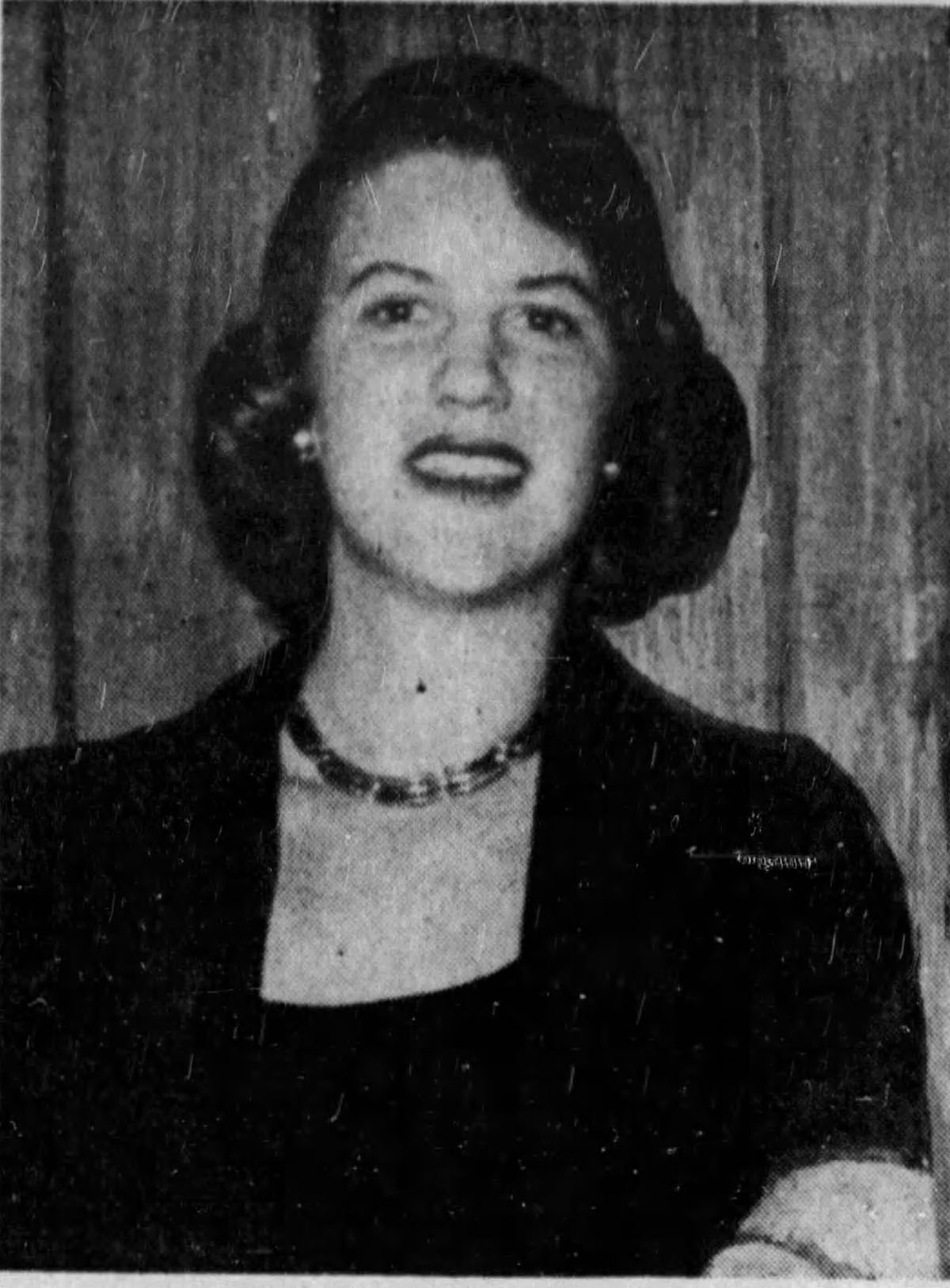
Sylvia Plath, age 20. The Boston Globe, Aug 26, 1953, Public Domain, commons.wikimedia.org, distributed by Associated Press.
The poem was written in October of 1962, the same week that she turned 30 and soon after she had separated from Hughes.1 The piece is a compelling concatenation of beautiful imagery, tragic themes, and a seemingly intentional desire to offend her audience. It was first published in 1965, three years after Plath’s death, and has been given decidedly mixed reviews over the intervening decades. Its tepid reception may have been due, at least in part, to its provocative language and questionable likening of the Holocaust to personal tragedy. Nevertheless, it stands as a pillar of Ariel, one of the two individual volumes of her work. It was also included as part of her Collected Poems, which received the 1982 Pulitzer Prize for Poetry—the first to be awarded posthumously.
In “Lady Lazarus,” Plath combines seemingly discordant imagery, including identifying herself as Lazarus, who was resurrected by Jesus in the gospels of the Christian New Testament. She also likened herself to a cat with nine lives, an exhibit on display in the circus (“the peanut-crunching crowd”), and, finally, to a phoenix rising from the ashes in a cycle of rebirth. Throughout the poem, the reader can find echoes of her other works, with “Daddy” being perhaps the most notable. In it, she compares the suffering and torment of the Holocaust with that of a wife at the hands of an abusive husband or a daughter at the hands of her father. “Edge” and “Tulips” are also pertinent examples, where the poet discusses death and illness while also using language that would later be associated with the budding feminist movement.2
Among the broader themes within her writing, Plath reveals a preoccupation with death and suicidality. This is perhaps what makes her work so meaningful for physicians and other healthcare workers, who are given a glimpse inside the psyche of mental illness. The line “pick the worms off me like sticky pearls” is akin to Esther Greenwood’s death by seeming burial in the thirteenth chapter of The Bell Jar. Greenwood undergoes several such attempts at suicide, many of which are like the ones described in “Lady Lazarus” and are known to have occurred in Plath’s own life.3 She and Anne Sexton, a close friend and confidant, often wrote about suicide—a fate which would later claim both of their lives.
Plath’s work may forever be read while considering her suicide, though some have rightly called for her writing to be examined on its own account.4 In death, she joined the ranks of many others who wrote with seemingly inspired genius yet took their own lives, including Hart Crane, Virginia Woolf, and Ernest Hemingway. One must wonder if Plath’s writing about suicide contributed to her own demise or if her poetry was used to prolong her life and cope with her inner demons. In “Lady Lazarus,” she gives readers an insight into the struggles she experienced in the months leading up to her death. If “one year in every ten” and “a trash to annihilate each decade” were combined with her nine lives, the world may be preparing to say goodbye to a celebrated poet who lived into her 90s. Instead, we are left to wonder what this tragic author may have produced had she lived past her third decade. Posterity, unfortunately, will never know. One small consolation is that the study of Plath’s depression and demise may give physicians greater insight into the tragedy and pathophysiology of suicide.
Disclaimer
The views expressed are solely those of the authors and do not reflect the official policy or position of the US Army, US Navy, US Air Force, the Department of Defense, the US Government, or Houston Methodist Hospital.
Competing Interests
The authors have no competing interests to declare.