
According to Greek mythology, the god of medicine, Asclepius, had a daughter Iaso as the goddess of “healing, recovery and recuperation.” The need for a focus on recovery has now been embraced for the heart, hence the current field is aptly named “myocardial recovery.” Cardiac injury of one sort or another is the result of a countless variety of clinical perturbations that impair heart function, which then creates varying degrees of remodeling and clinical heart failure (HF). The pathophysiology of HF is an extraordinarily complex process that can be asymptomatic, produce minimal symptoms, create profound clinical decompensation, or lead to death. The range of its clinical challenges and symptoms is related to the type and extent of myocardial damage and dysfunction and the individual’s ability to compensate.
Therapies for HF include prevention of myocardial injury (eg, treating hypertension and preventing myocardial infarctions), aggressive and sometimes complicated guideline-directed management and therapy (GDMT) protocols, surgical interventions such as coronary artery bypass surgery for obstructive disease, and more radical therapies that aim to replace or substantiate the failing heart (ie, cardiac transplantation and mechanical ventricular assist devices). Patients with heart failure can have stabilization and improvement of symptoms and sometimes spontaneous and seemingly complete recovery of cardiac performance with therapeutic interventions and/or removal of the injury that induced HF. While historically such “healing” was conceived as a passive reversal of the pathological state, over the past decade attention has increasingly focused on myocardial recovery as an active and complex biological process and functional improvement of the individuals as an important organism-level recovery. The knowledge gap is still large and intimidating, but there has been progress.
Issue 20.4 of the Methodist DeBakey Cardiovascular Journal focuses on the specific topic of Myocardial Recovery, complementing Issue 19.5 on Cardiac Regeneration that was published in November 2023. While regeneration of the myocardium might be needed in situations of significant injury leading to replacement scar, myocardial recovery seems to rely on certain natural mechanisms of healing of the dysfunctional myocardium along with rebuilding of certain areas, when feasible. This issue has been curated with a breadth of focus on the current state of cardiac recovery, ranging from pathobiology to clinical relevance, with the hope of enticing a myriad audience caring for patients with HF.
To set the stage, Drs. Jane Wilcox, Anthony Pensa, and colleagues provide an overview of clinical perspectives of myocardial recovery that define its relevance and importance for clinical practice. The authors point out that the common term “myocardial recovery” is a partial or complete resolution of left ventricular systolic dysfunction, as usually noted on an imaging study. Various terms have been used over the years, including “left ventricular recovery,” “myocardial reverse remodeling,” and “ejection fraction improvement.” The acceptance of the clinical entity of HF with improved ejection fraction (HFimpEF) is highlighted as an important aspect of clinical definitions that will assist in further studying this newly named “syndrome.”
The pathobiology of myocardial recovery and remission is the subject of the next article by Drs. Douglas Mann and Arick Park, who skillfully provide an overview of what is sometimes called “reverse left ventricular remodeling,” detailing animal models and improvements in HF patients labeled HFrEF (HF with reduced ejection fraction). It is important to remember that HFrEF encompasses a heterogeneous group of patients with many different diseases accounting for reduction in left ventricular function. Understanding the implications of this is critical to designing clinical, animal, and basic science studies that give greater insight into pathogenesis and treatment of these patients. This point is stressed in their Figure 2, which is a hypothetical model emphasizing the complex interaction between numerous biological networks that are related to “non-pathological configuration,” an interesting concept.
Next, Drs. John Cooke, Li Lai, and Keith Youker highlight the subtle but important differences between myocardial recovery and myocardial regeneration. Myocardial recovery refers to a return towards more normal structure and function of an injured heart (such as an increase in left ventricular ejection fraction), whereas myocardial regeneration, though an element of recovery, is generation of new myocardial tissue. Understanding the mechanism of myocardial recovery and regeneration is essential to creating therapies that might benefit patients in various stages of disease and complement each other with a strategy to creating normalcy from a pathological state of HF.
Imaging has been the core of clinical medicine for HF with an emphasis on ejection fraction. The key to diagnosing HFrEF is dependent on assessing ejection fraction using an imaging modality and then following stages of cardiac dysfunction over time. The entity of HFimpEF centers on serial imaging. The review by Drs. Evelyne Meekers and Matthias Dupont focuses on imaging techniques and biomarkers that provide an opportunity for risk stratification, identifying certain etiologies, and monitoring progress (or deterioration) of HF patients. Particularly important is using select techniques to identify both HFrEF and patients who might benefit from various interventions. Though echocardiography is the most frequently used imaging technique, cardiac magnetic resonance seems to offer some advantages by giving a better measure of cardiac fibrosis, which is inversely correlated to the likelihood of reverse remodeling. A decrease in soluble ST3 and NT-proBNP levels is associated with better cardiac structural and clinical outcomes. While many novel biomarkers exist, a defined role in monitoring or facilitating myocardial recovery is lacking.
Protocols for managing patients admitted for acute myocardial infarction are well established and worldwide for the most part. Drs. Navin Kapur, Vandan Upadhyaya, and colleagues address the emerging paradigms for recovering injured hearts after ST-segment elevation myocardial infarction (STEMI). For some time we have known the importance of early thrombolytic and percutaneous coronary interventions as they relate to mortality and morbidity. A recent focus is now being placed on limiting infarct size, with new trials addressing the potential for micro-flow devices used for left ventricular unloading in cases with cardiogenic shock.
Drs. Manreet Kanwar, Kevin John, and colleagues address the vexing challenge of myocardial recovery in cardiogenic shock. The overarching challenge in this situation is to decrease the devastating outcomes and divert patients from the abyss of a low output state to recover not only their heart but also the rest of the organ systems impacted by the shock state. Understanding the concept of “time is of the essence” is applicable not just to save the heart (for example, the sooner a STEMI receives thrombolytics or percutaneous angioplasty, the greater the likelihood of limiting infarct size) but also to restore perfusion to the rest of the organs. These authors focus attention on reversible etiologies contributing to cardiac decompensation in the shock state. While gaps exist in our knowledge about best management practices in patients with post-infarction cardiogenic shock, a growing focus is put on identifying the lack of clinical evidence for cardiogenic shock in patients with chronic HF. The authors advocate for more high-quality clinical trials focusing on myocardial recovery in patients with cardiogenic shock. Once a patient recuperates from the shock state with mechanical support systems, the lack of data showing treatment strategies to promote substantial myocardial recovery to the point of MCS explant may disincentivize physicians to risk trying a different approach despite the recent clinical improvements seen in their patients. On the contrary, the ability (and health systems incentives) to bridge these patients to durable mechanical devices and heart transplants makes it difficult to ignore that window of opportunity. Hence, transforming myocardial recovery from a cardiogenic shock state seems to be a long journey to fruition.
Artificial intelligence and machine learning have captured us all in one way or another, and it is difficult to keep abreast of daily developments and controversies. For those of us who started medical school before computers, electronic records, beepers, and cell phones, all of the electronic kerfuffle can be disturbing and confusing. One thing is absolutely certain, however: the electronic world is here and seemingly immutable. Drs. Veli Topkara, Frederick Lang, and coauthors have admirably tackled the topic of artificial intelligence and machine learning in the myocardial recovery space. Their takeaway message is that artificial intelligence and machine learning algorithms created from mega datasets can speed assessments and make recommendations rapidly. Therapeutic guidelines can be improved using algorithms developed by analyzing large datasets, suggesting that emerging datasets may feasibly apply machine learning approaches to predict post-infarction myocardial recovery. Theoretically, recommendations about specific elements of guideline-directed therapies and use of mechanical circulatory support and other interventions could be made quickly and efficiently. However, before AI becomes “primetime” and revolutionizes clinical practice, certain limitations must be overcome—for example, the availability of appropriate datasets to analyze, requirements for provider education and adaptation, bias in training datasets and, perhaps, limitations of sophisticated technology support in remote locations. Nonetheless, this is the direction the world is going, and the future looks bright.
The report from Drs. Stavros Drakos, Muthu Krishnamoorthi, and colleagues recaps the 2024 Utah Cardiac Recovery Symposium, which has been an annual meeting since 2013. Titled “A Roadmap for the Field of Myocardial Recovery,” this year’s gathering focused on insights into how the heart can recover after injury and return to more normal function—the “Holy Grail” for HF-oriented clinicians and researchers. The authors addressed key themes such as the pathobiology of HF and cardiac recovery, clinical paradigms of HF and cardiac recovery, and the role of extracorporeal membrane oxygenation and mechanical circulatory support devices during attempts to achieve cardiac recovery.
Drs. Anuradha Lala-Trindade, Arjun Kapoor, and coauthors suggest that there is enough interest in the subject of cardiac recovery to warrant the creation of a “Myocardial and Functional Recovery Specialty,” much like the specialties created in the fields of echocardiography, electrophysiology, heart failure/cardiac transplantation, interventional cardiology, and onco-cardiology. They argue that “a more synchronized delivery of care across settings and disciplines may be feasible for the modern patient living with heart failure.” It is a compelling argument!
This issue of the Methodist DeBakey Cardiovascular Journal also offers a brief case of a chemotherapy-induced HF patient as a “Points-to-Remember” presentation. It reminds us of the power of guideline-driven treatment for HF and the underwhelming attraction for trainees on the importance of GDMT when compared to the excitement that comes with procedure-based care.
Finally, this issue’s Poet’s Pen has a special link to our theme of myocardial recovery. A talented physician and limerick-scribbler has penned several mirthful and relevant rhymes on the topic. We hope you enjoy them as much as the provocative articles included.
Editor Biographies
The editorial team of the Methodist DeBakey Cardiovascular Journal expresses our thanks to Dr. James Young and Dr. Arvind Bhimaraj for their insight, thorough attention to detail, and dedication in curating this issue on myocardial recovery.
Arvind Bhimaraj, MD, MPH, FACC, FHFSA
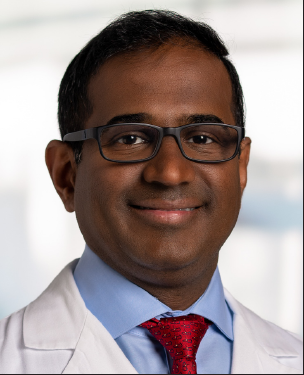
Dr. Bhimaraj is an advanced heart failure cardiologist at Houston Methodist Hospital. His expertise spans the spectrum of heart failure, from new onset heart failure to advanced stages of heart failure. He has a special interest in cardiac amyloidosis and leads the Bradley Z. Naifeh amyloidosis treatment and research program. His areas of clinical interest and expertise are immune mechanisms in heart failure, cardiogenic shock, understanding physiology using pressure volume loop analysis, and immunobiology of heart transplant injury. He has served in various leadership roles for the heart failure program in the Houston Methodist DeBakey Heart & Vascular Center and for the advanced heart failure program in the J.C. Walter Jr. Transplant Center, both centers of excellence at Houston Methodist Hospital. Positions of note were medical director of LVAD and Heart Transplant program, chair of the Heart Failure Strategic Committee, and interim section chief of the heart failure section. He currently serves as the director of the heart failure disease management service and system director of advanced heart failure.
Dr. Bhimaraj earned his medical degree from Gandhi Medical College, Hyderabad, India, and his Master of Public Health from the University of Kansas in Kansas City. He completed his residency at Drexel University College of Medicine, his cardiology fellowship at John H. Stroger, Jr. Hospital of Cook County, and his advanced heart failure and transplant cardiology fellowship at Cleveland Clinic, becoming faculty at Houston Methodist in 2011.
Dr. Bhimaraj has an active research focus and passion towards myocardial recovery and has invested his time and efforts in translational and clinical areas of understanding the role of non-cardiomyocytes in heart failure recovery. He and his research team devised a mouse model of non-ischemic heart failure to allow the research community to understand the biology of natural recovery and created laboratory platforms where the impact of therapies on the non-cardiomyocytes can be studied. He is currently pursuing various research projects that aim to understand this unique biology of recovery in various patient populations to identify genetic targets that can be modulated using Nano gene therapies.
James B. Young, MD
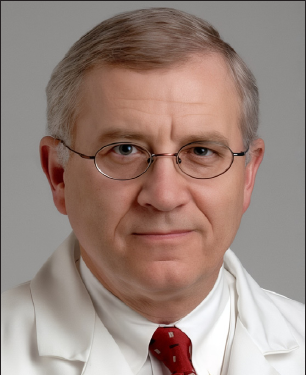
Dr. Young is an advanced heart failure and transplant cardiologist who did his undergraduate work at the University of Kansas and received his medical degree from Baylor College of Medicine in Houston, Texas. He completed his Internal Medicine residency in the Baylor Affiliated System and was chief medical resident at Houston Methodist Hospital. His cardiology fellowship was also in the Baylor system. He joined the Baylor faculty in 1979 and was primarily stationed at Ben Taub General Hospital, where he became chief of cardiology. He subsequently became a tenured professor of medicine while moving to Houston Methodist Hospital as inaugural clinical coordinator and scientific director of the Michael E. DeBakey Multiorgan Transplant Center.
In 1995, Dr. Young migrated to the Cleveland Clinic to create a section of Heart Failure and Cardiac Transplant Medicine. Roles he held in Cleveland included vice chair of the Department of Cardiovascular Medicine, chair of the division of medicine, chair of the Department of Endocrinology and Metabolism, dean of Cleveland Clinic Lerner College of Medicine of Case Western Reserve University, chief academic officer, and director of Academic Affairs. He holds the George and Linda Kaufman Chair in the Heart, Vascular and Thoracic Surgery Institute.
Dr. Young’s academic interests include cardiac and multiorgan transplantation, mechanical circulatory assist devices, therapeutic clinical trials, and bridging basic science research to clinical applications. He has authored or coauthored more than 700 published manuscripts and several textbooks. He also has an interest and passion for medical humanities and is currently section editor of the Methodist DeBakey Cardiovascular Journal Poet’s Pen feature.
Competing Interests
Dr. Bhimaraj is a consultant for Abiomed and Abbott. Dr. Young has no competing interests to declare.