
Table 1
Indications for percutaneous left atrial appendage closure (LAAC). OAC: oral anticoagulation
| Primary indication for percutaneous LAAC |
| Elevated thromboembolic risk (CHA2DS2-VASC > 3) |
| Contraindicated for long-term OAC |
| Potential indications for percutaneous LAAC |
High risk of bleeding with OAC due to:
|
| Presence of thromboembolic phenomena while on therapeutic OAC |
| Chronic OAC intolerance (ie, severe gastrointestinal disease) |
| Employed in high-risk occupations |
| Unwilling to take or comply with OAC |
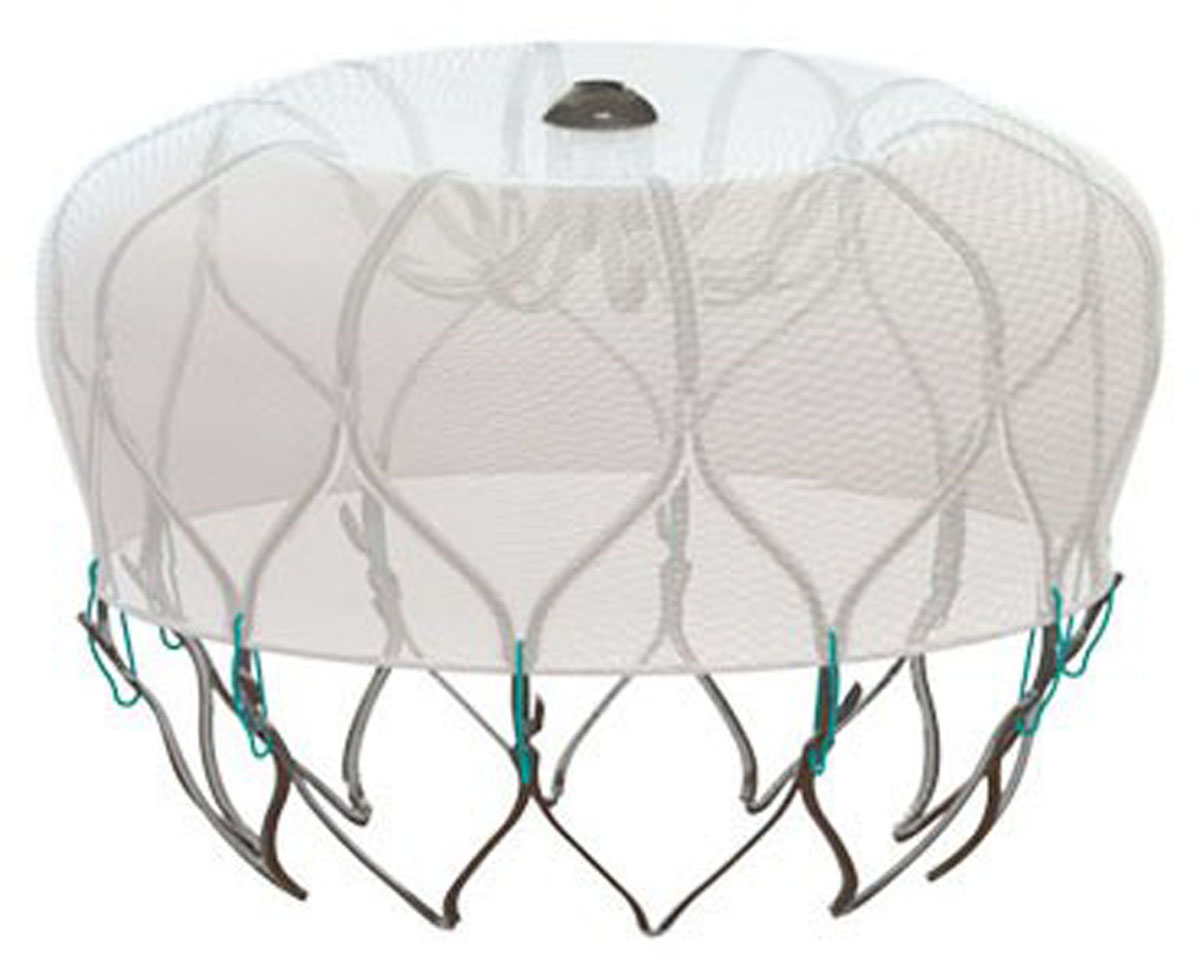
Figure 1
Watchman. Reproduced with permission from Boston Scientific. ©2023 Boston Scientific Corporation or its affiliates. All rights reserved.
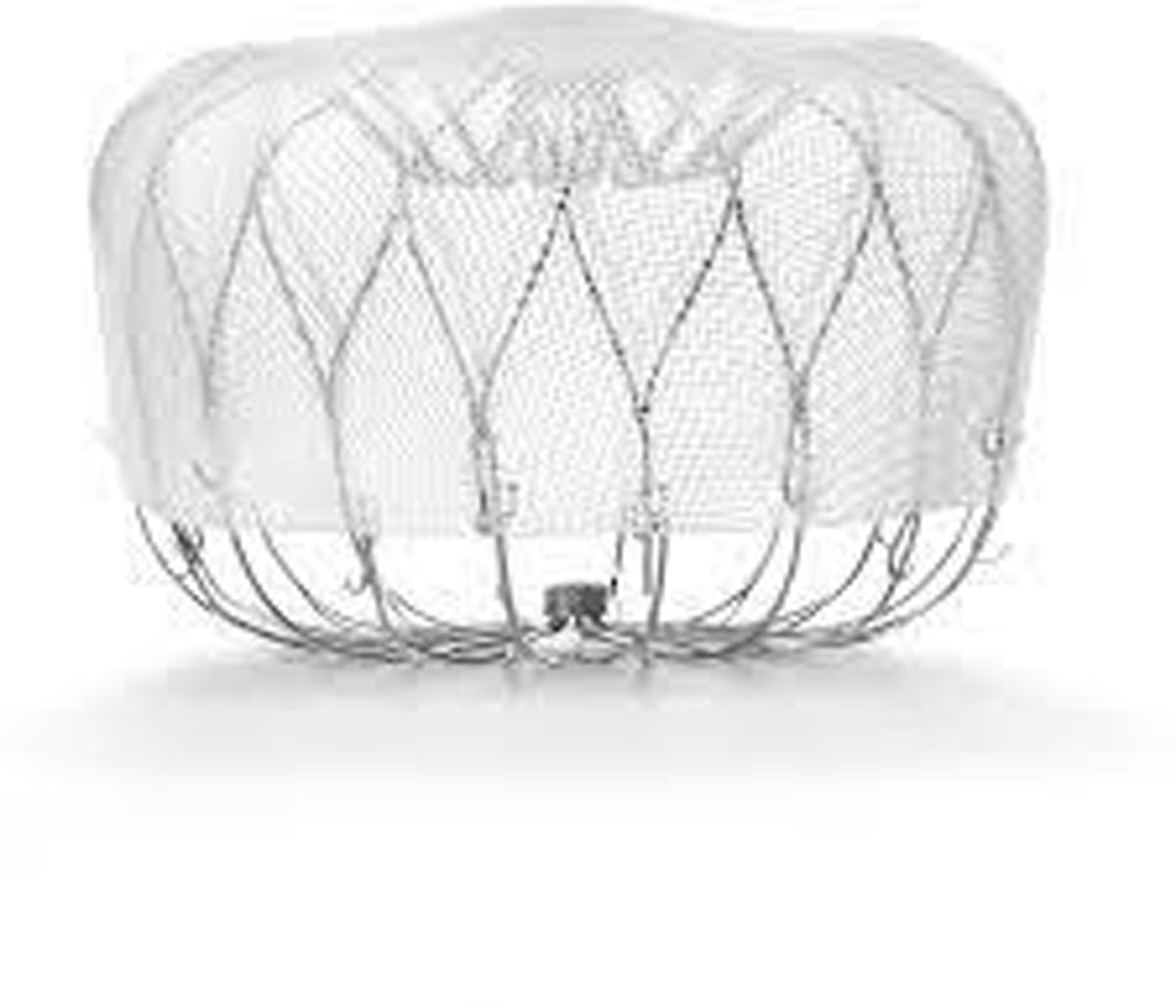
Figure 2
Watchman FLX. Reproduced with permission from Boston Scientific. ©2023 Boston Scientific Corporation or its affiliates. All rights reserved.
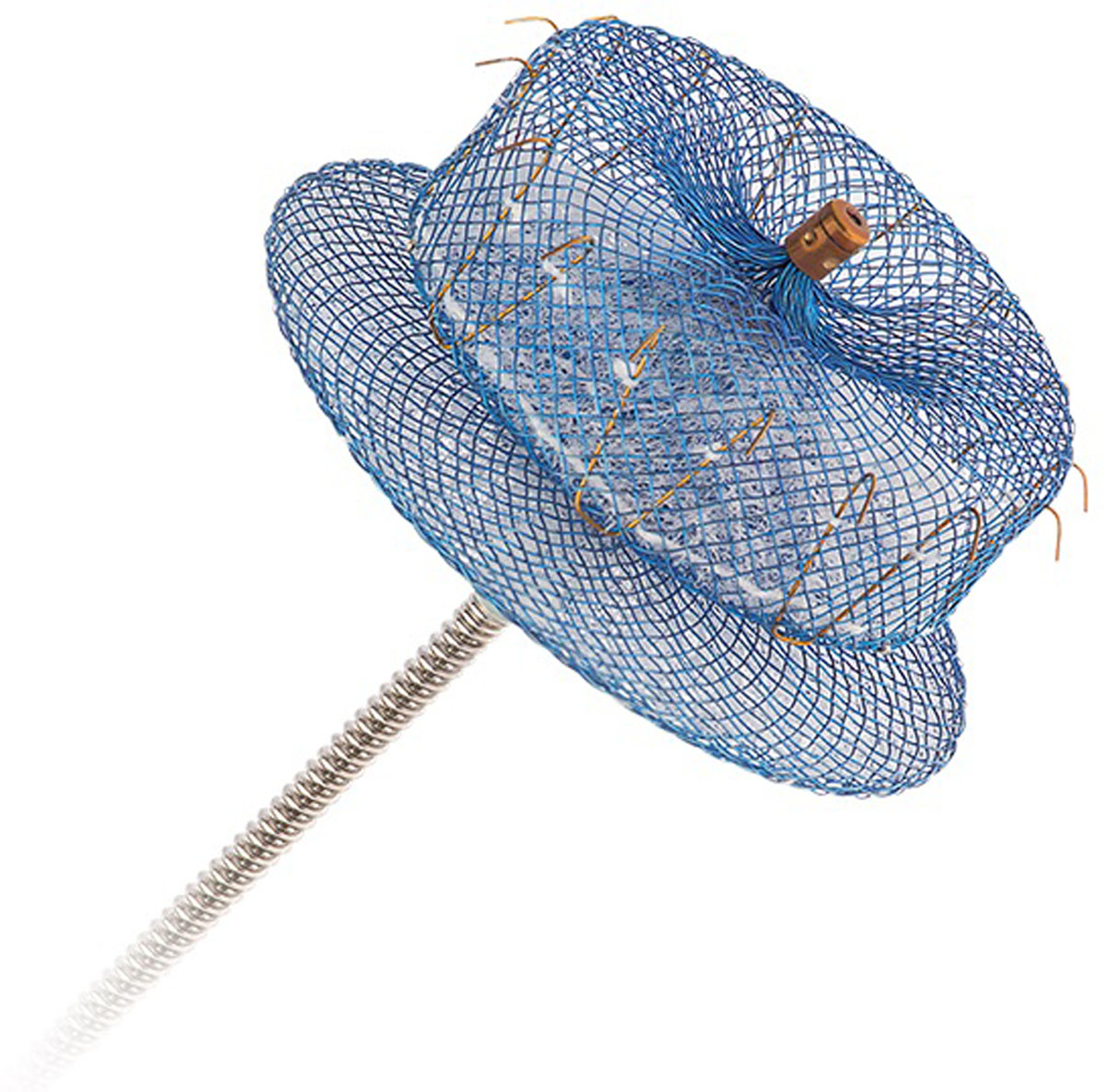
Figure 3
Amulet cardiac plug. Reproduced with permission from Abbott Vascular.
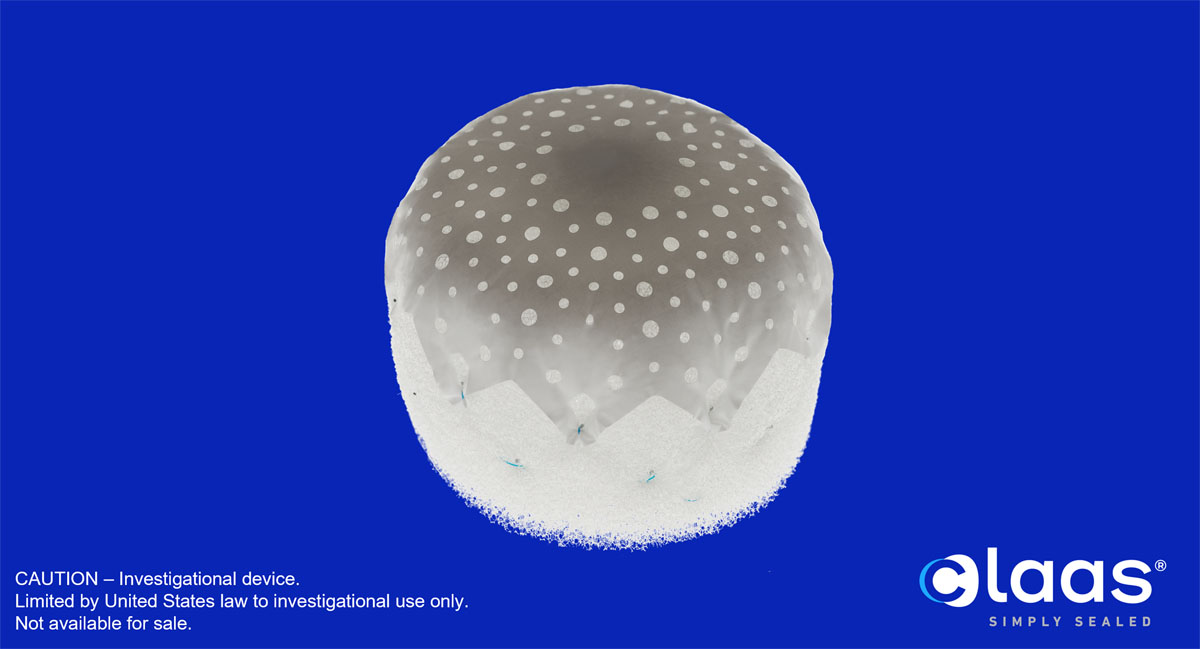
Figure 4
Conformal left atrial appendage seal. Reproduced with permission from Conformal Medical.
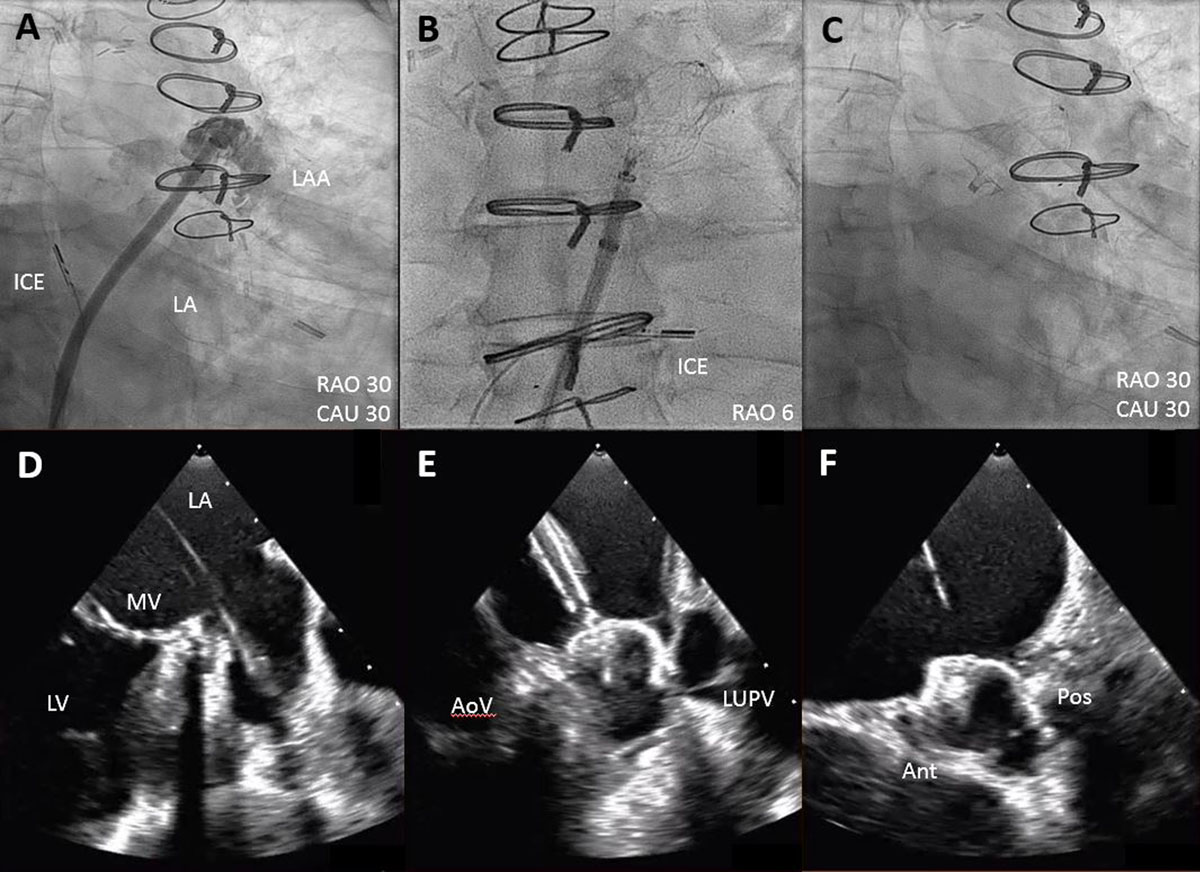
Figure 5
ICE-guided left atrial appendage closure. Fluoroscopic images of the ICE-guided LAAC with Watchman FLX: (A) Mid left atrial position of the ICE catheter during left atrial appendogram. (B) Mitral valve inflow position of ICE catheter following device implantation. (C) Successful deployment of 31-mm Watchman FLX. (D-F) Simplified ICE imaging of the LAAC procedure. Ant: anterior; AoV: aortic valve; CAU: caudal; LA: left atrium; LUPV: left upper pulmonary vein; LV: left ventricle; Pos: posterior; RAO: right anterior oblique