Table 1.
Sequential Organ Failure Assessment (SOFA) scoring system. Adapted from Vincent JL, et al. Intensive care med. 1996;22:707–10.1 PaO2: partial pressure of oxygen; FiO2: fraction of inspired oxygen
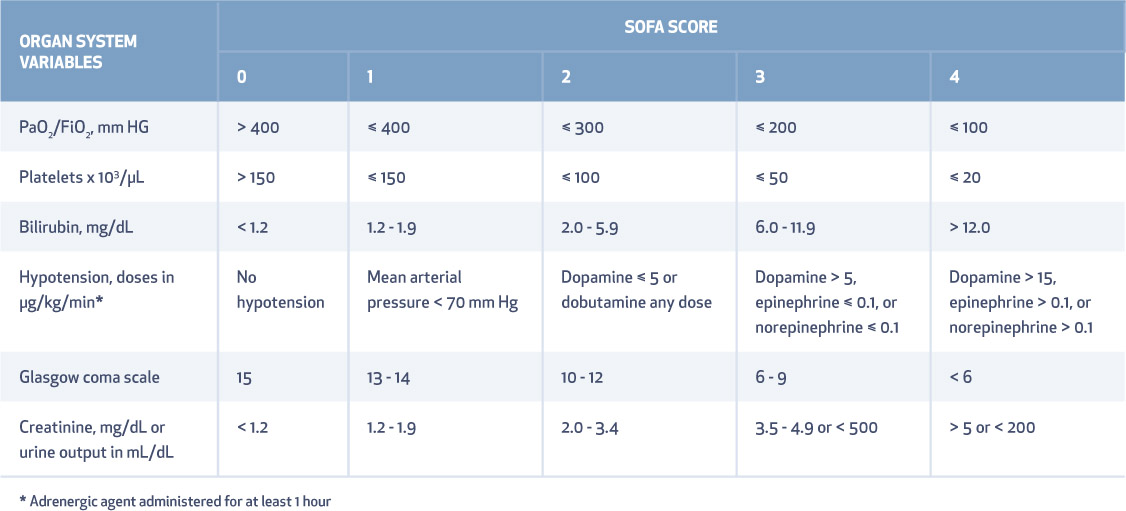
Table 3.
Variables measured in the quick Sepsis Related Organ Failure Assessment (qSOFA), a bedside prompt to help identify patients at risk of mortality due to suspected sepsis.
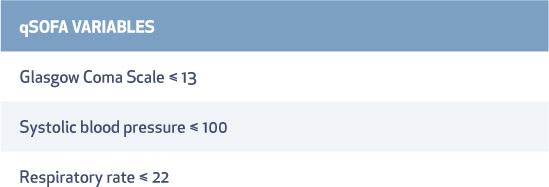
Table 4.
Sepsis treatment bundles identified in the Surviving Sepsis Campaign guidelines.55 From survivingsepsis.org. Reproduced with permission. Copyright © 2015 the Society of Critical Care Medicine and the European Society of Intensive Care Medicine.
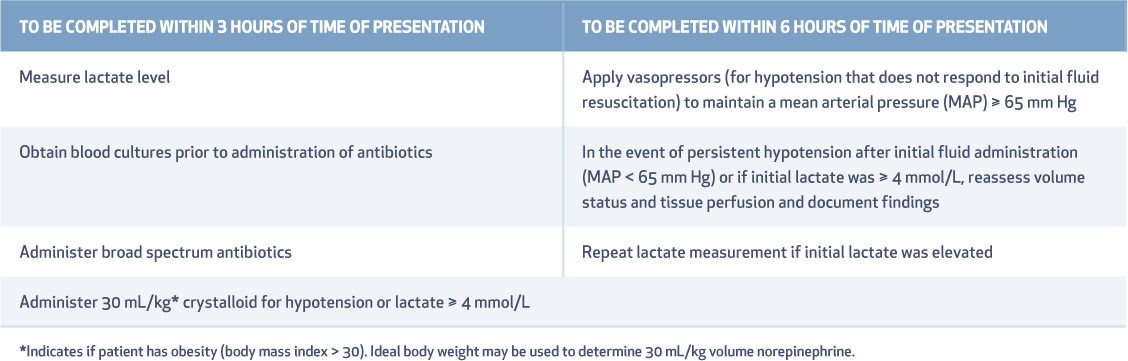
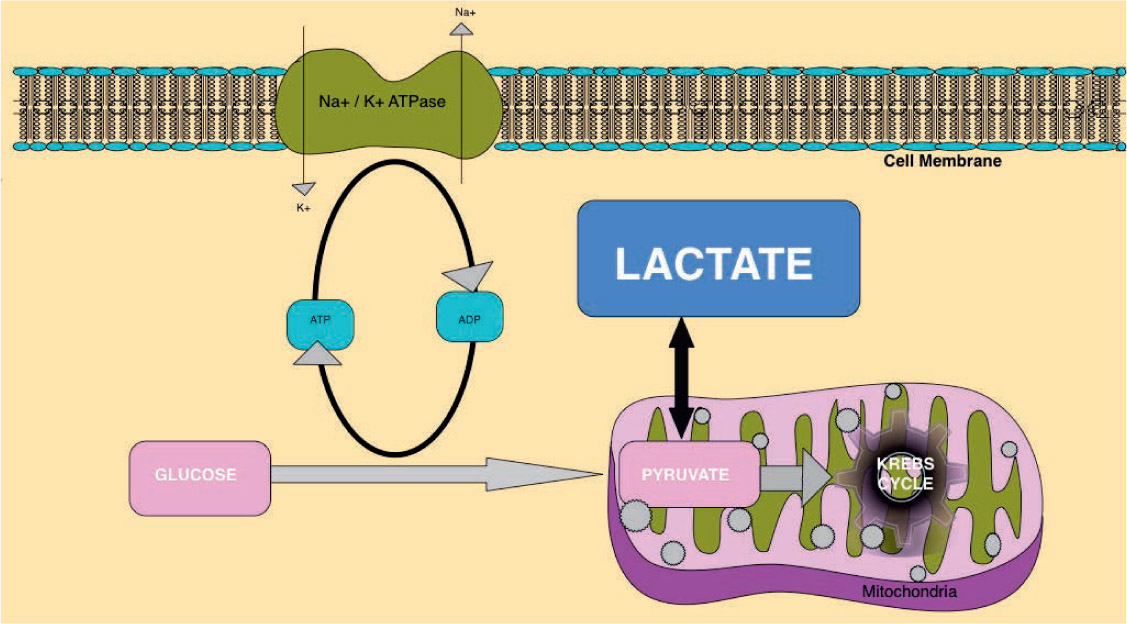
Figure 1.
Lactate production from pyruvate, an intermediate step in glycolysis. Glycolysis is the metabolic process that serves as the foundation for both aerobic and anaerobic cellular respiration, where glucose is converted into pyruvate. Due to excess production of pyruvate or in anaerobic conditions, glucose is enzymatically catalyzed to lactate instead of entering the Krebs cycle in the mitochondria.