
Introduction
Balloon angioplasty can be a useful procedure for patients with symptomatic arterial obstructive disease. However, during the procedure, the endothelial lining of the treated segment is denuded, the atherosclerotic plaque is usually ruptured, and the underlying vascular smooth muscle is dissected. The result is a highly thrombogenic surface that could lead to rapid clot formation and reocclusion of the vessel. Accordingly, patients are treated with antithrombotic drugs during and for variable periods of time after the procedure. Elastic recoil that occurs immediately after the procedure can reduce procedural success. The placement of a bare metal stent during angioplasty obviates elastic recoil and improves immediate procedural success. However, both balloon angioplasty and bare metal stent implantation are complicated within months by restenosis.
As discussed elsewhere in this issue, restenosis is a response to vascular injury characterized by the recruitment of vascular smooth muscle cells (and/or mesenchymal stem cells) to the injured region. These cells proliferate and generate a substantial extracellular matrix that, over a period of a few months, causes restenosis of the vessel. This is a very different process than atherosclerosis. Restenosis occurs more rapidly, and the pathobiology involves more vascular smooth muscle and mesenchymal cell proliferation and generation of an extracellular matrix, with less lipid deposition. Although restenosis is reduced by the placement of a stent after angioplasty,1,2 in-stent restenosis occurs as vascular cells migrate between the stent struts and proliferate in the intimal space.
Mechanical treatments for in-stent restenosis are often suboptimal. These may include implantation of a replacement stent, some form of catheter-directed atherectomy, or surgical bypass.3 Drug-eluting stents designed to reduce in-stent restenosis have some deficiencies that are discussed below. Accordingly, stents with modified surface properties—including biologically inspired nanoscale alterations—are under development.
Drug-Eluting Stents
The current clinically approved drug-eluting stents release drugs locally that suppress vascular smooth muscle cell proliferation. These stents have the added advantage of suppressing the autocrine and paracrine mechanisms responsible for excessive generation of extracellular matrix proteins.4 However, all currently available drug-eluting stents also suppress local regeneration of the natural endothelium. Consequently, the endothelial monolayer may not completely regenerate across the surface of the stent, leading to the loss of a key homeostatic feature that regulates interactions of the vessel wall with the circulating blood elements.5 For this reason, stent-related thrombosis has emerged as a life-threatening side effect of the drug-eluting stent, primarily among patients who have suspended any adjunctive antiplatelet or anticoagulant therapy.6–12 Stent thrombosis may result in myocardial infarction or death in up to 45% of cases.10 Accordingly, alternative agents for elution from the stent that have a more favorable profile (e.g., that suppress vascular smooth muscle proliferation while enhancing endothelial regeneration) are under investigation. Paradigmatic of such agents are nitric oxide donors, which enhance endothelial regeneration while suppressing vascular smooth muscle proliferation.13
Biocompatible Stent Coatings
Introduction
Stent surface structures may be enhanced by the application of a hemocompatible coating to a base material having some fixed geometric configuration. Distinct performance profiles have been associated with a range of nano- and macroscale stent coatings recognized categorically as drug-delivery-enhancing, inorganic, biocompatible, polymer, or polymer-free.14 Typically, the biocompatibility constraint is applicable to drug-eluting stents as well as stents having variable constitutional and functional properties. The concept of utilizing stent coatings was initially introduced as a means for trapping ions released from the metal structure and keeping them from entering the body. Since the inorganic materials used for these applications have demonstrated minimal drug-importing potential, nonbiodegradable polymeric coatings, such as polyhydroxyalkanoates (PHA) or polyurethane, have been developed to transport and locally release agents from the stent.15,16 Although PHA-coated stents have a tendency to reduce intimal thickness relative to bare metal stents, hemodynamic shear stresses have contributed to degradation of the polymer stent surface structure, in turn leading to stent thrombosis.17
Alternatively, biodegradable polymeric stents, while prone to induce inflammation, are currently used in various phases of developmental and market research. Novel solutions are being tested using stents with polymer-free macro- and nanofeatures that provide a nonthrombogenic surface to suppress in-stent restenosis and promote re-endothelialization.18 The promise of such nanofeatures resides in their ability to mimic the natural nanofeatures of vascular tissue itself.
Microporous and Microstructured Surfaces
The optimal stent is engineered to be highly deliverable; to inhibit vascular smooth muscle proliferation and generation of extracellular matrix proteins; and to enhance endothelial attachment, proliferation, and restoration of a healthy endothelial surface. The stent must be composed of metals or polymers that satisfy biocompatibility constraints and express adequate mechanical flexibility, strength, and dilatability. Stainless steel, titanium, cobalt-chromium alloys, and titanium-nickel alloys have been used as principal structural elements.19–21 Bare-metal stents fabricated from a titanium-nickel alloy (e.g., Nitinol) are preferred due to their excellent biocompatibility and structural versatility.19 Figure 1 shows scanning electron microscopy (SEM) images of micro- and submicro-structured Nitinol surfaces.22 Nevertheless, in-stent restenosis is often attributed to bare-metal stents having micron particle sizes that encourage neointimal tissue formation.23–25 Additionally, the release of metal ions from the stent might increase local inflammation.
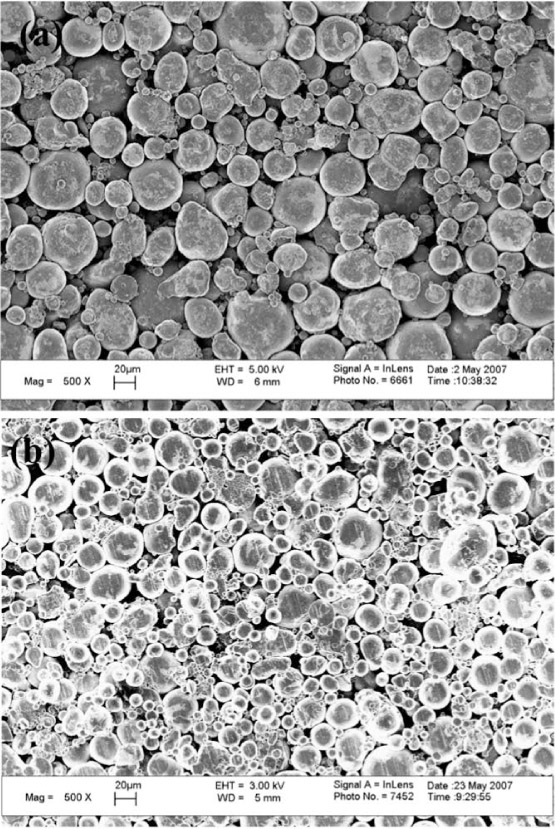
Figure 1.
Scanning electron microscopy images of nickel-titanium alloy (NiTi) surfaces. (a) Microstructured NiTi, Mag 500x, bar = 20 μm. (b) Submicro-structured Nitinol, Mag 500x, bar = 20 μm22
Polymer-free microporous, microstructured, and slotted tubular stents are a class of devices with surface features designed to optimize stent applicability. Such stents can be spray coated with selected drugs that are absorbed onto surface micropores26,27 to allow homogeneous drug transfer.28 An alternative polymer-free technology comprises selective microstructuring of the abluminal surface of the stainless steel stent through controlled microabrasion processes.29 This textured surface enables coating with cytostatic drugs that can effectively suppress excessive neointimal tissue formation.30
Slotted Tubular Surfaces
Alternatively, the abluminal stent surface may be fabricated with micro- or nanoscale tubular slots designed to elute controlled quantities of antiproliferative agents. A layered carbon coating enhances hemocompatibility of the drug reservoir.29 Polymer-free stents may also be composed of slotted chromium-cobalt alloy, loaded with antiproliferative drug, and coated with a carbon-based surface intended to reduce thrombogenicity.31
Nanoporous and Nanostructured Surfaces
Recent advances in nanotechnology have enabled researchers to study polymer-free nanoporous, nanostructured, and nanoparticle-eluting stents. These nanofabrications may improve upon the polymer-free macrosystem surface modifications discussed above. One of the earliest attempts at commercializing a stent coated with a nanoporous substance was based on a nanothin-microporous stainless steel platform coated with a 0.3- to 1-μm layer of nanoporous hydroxyapatite and loaded with sirolimus.32,33
A nanoporous aluminum oxide coating has been explored in numerous research studies as an alternative to hydroxyapatite, and both have been demonstrated to improve endothelialization. In such studies, a nanothin layer of aluminum is glazed on a stainless steel base, and the composite structure is anodized to generate porous aluminum oxide. However, preclinical studies have shown variability regarding the effectiveness of stents coated with nanoporous materials.34,35 Although biocompatibility has been documented, nanoparticle debris ejected from the stent surface has been observed. This debris could provoke inflammation and subsequent restenosis. Therefore, in spite of their large surface-area exposure (especially to enhance endothelialization) and high drug-loading capacity, stents coated with nanoporous materials must be refined before becoming viable devices.
A related nanotechnology approach uses controlled nanopatterning of stent surfaces as a means for promoting endothelial regeneration. Topographical modifications generated through a standardized patterning process have demonstrated favorable interactions between the surface and cells.14 Therefore, re-endothelialization may be enhanced by incorporating specialized nanopatterns onto polymer-free stent surface structures. Additional research studies have concluded that the submicron patterning of titanium surfaces with crevices having a lateral magnitude of > 100 nm is especially efficient at stimulating endothelial cell adhesion.36 An example of the benefit of nanopatterning bare-metal stents (titanium) with aligned features is shown in Figure 2. Increased coverage of a bare-metal stent through nanotexturing could reduce an aggressive inflammatory response that would ordinarily result from exposure to bare metal.
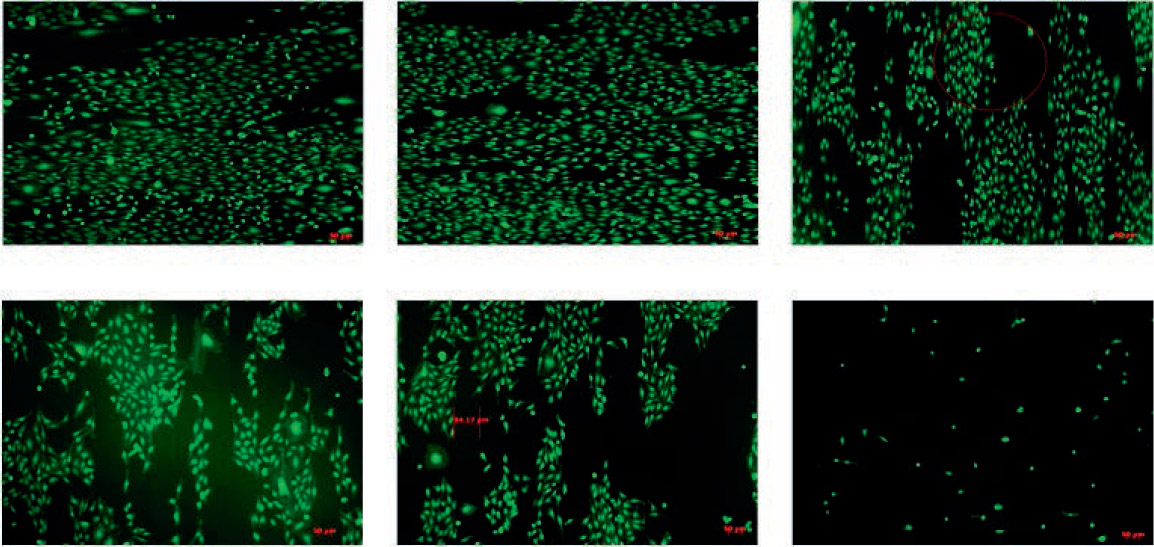
Figure 2.
Increased endothelialization of nanostructured titanium vascular stents.
As an alternative to patterning stent surfaces with superficial nanofeatures, nanoparticles may be electrophoretically loaded onto bare-metal stents.37 The concept of a nanoparticle-eluting stent is especially useful for systems requiring dynamic drug delivery vehicles. Nakano et al. investigated the viability of nanoparticle-eluting stents having a biodegradable polymer coating.37 Their in vitro and in vivo results indicated excellent internalization of drug nanoparticles into smooth muscle cells as well as homogenous nanoparticle distribution in the region of implantation. Related research has investigated the loading of endothelial cells with poly(lactic acid)-modified magnetic nanoparticles and administering these modified cells to enhance endothelialization of stainless steel stents.38 However, the biological effect of such particles on endothelial functions will need to be carefully characterized.
Another possible approach is to coat the stent with nanopatterned extracellular matrix proteins. Endothelial cells are responsive to nanofeatures in a collagen matrix.39–41 For example, a collagen matrix composed of an array of longitudinally oriented fibers with diameters in the range of 30 nm can induce endothelial cells to align longitudinally. These aligned endothelial cells resemble the endothelial monolayer in a vessel segment exposed to laminar shear stress in that they have a greater length-to-width ratio compared to endothelial cells cultured in the absence of flow, which have a more “cobblestone paving” appearance. The aligned endothelial cells are biologically different in that they generate more nitric oxide and express less cell-adhesion molecules. These biological attributes would be favorable for a vascular conduit since such an endothelial monolayer would resist inflammation and thrombosis. Of note, endothelial cells aligned on the nanopatterned collagen resist the effects of shear in an orthogonal direction and remain aligned in the direction of the nanofibers. This is scientifically interesting and of potential clinical relevance, as such aligned endothelial cells might then be able to resist the adverse effects of disturbed or turbulent flow in a bypass graft or stent.
Titanium as a Nanopatterned Material
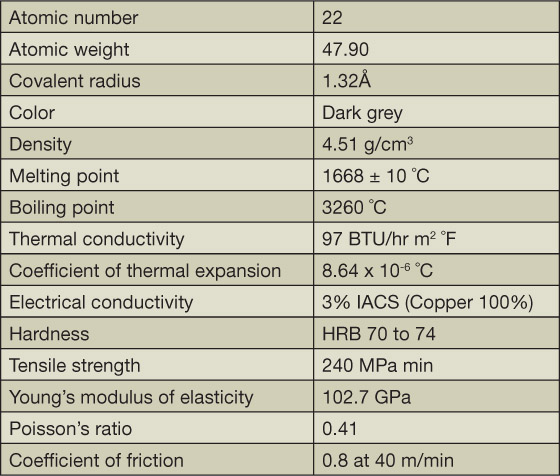
Titanium and titanium alloys are materials that are well-suited to several nano- or macroscale modifications. The physical properties of titanium are listed in Table 1. In addition to expressing great physiological compatibility, titanium light metal structures have adaptable mechanical properties that can be adjusted to suit the anatomical or other constraints associated with a stenting system.42 This is a direct consequence of the alpha and beta crystalline phases through which titanium and its alloys can transition. Strength and hardness are common features associated with unalloyed or alpha titanium alloys. Mechanical testing among classes of beta alloys has indicated a stronger design and increased ductility relative to the two alternate types. Titanium has the added capacity of microstructural morphological distortion through mechanical processing or heat treatment. In particular, the surface roughness and feature sizes of titanium-based stenting materials should be regulated for adequate procedural suitability.
Techniques for Substrate Modification of Titanium Stents
Physical deposition approaches and photolithography have been implemented to construct empirically useful nanoconfigurations. Among the most commonly employed micro- and nanofabrication techniques, photolithography enables the generation of grooves, pores, ridges, needles, or other protruding aspects along the surface.43,44 The process is facilitated by a photochemical reaction in which a substrate, having a thin polymeric photoresist, is exposed to light through an opaque patterned mask. A substrate expressing the desired structural motif emerges upon exposure of the body to a developer solution (Figure 3). Tissue regeneration can be enhanced and controlled by microgrooved titanium-coated surfaces.45
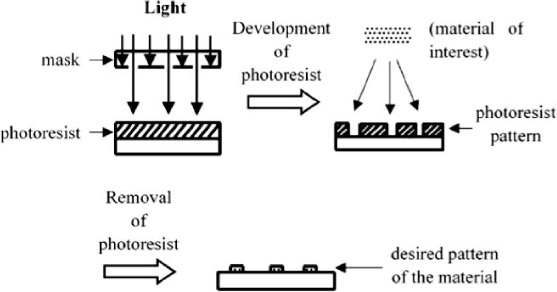
Figure 3.
Schematic of micro/nanopatterning by photolithography.44
Micropatterned poly(dimethylsiloxane) (PDMS) is an especially suitable material for generating surface structures on stents so as to study their effects on the growth of smooth muscle and endothelial cell co-cultures.46,47 Microcontact printing is an alternate micro/nano fabrication procedure that uses an initial photolithography process in which silicon wafers are treated to produce a patterned PDMS stamp.44 The PDMS stamp is then coated by functionalized or chemically conjugated alkanethiol monolayers that assist in the patterning of cells and associated proteins before being transferred onto the stent or other substrate surface.44, Figure 4 is a depiction of the microcontact printing procedure.
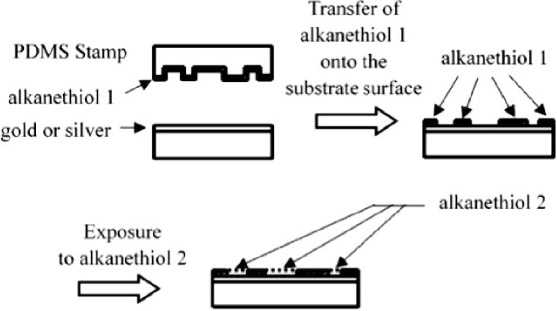
Figure 4.
Schematic of micro/nanopatterning by microcontact printing.44
Among the physical vapor deposition (PVD) methods, electron beam evaporation is one of the most efficient systems. The PVD of titanium-nitride-oxide alloys onto stainless steel stents results in substrates that may be less prone to platelet adhesion and fibrinogen adsorption.48
Absorbable Stents
Metallic stents permanently alter the biophysical properties of the vessel wall.49,50 There is a localized increase in vascular stiffness and a loss of vasomotor regulation of luminal dimension. Furthermore, the metal stent is a foreign body that induces inflammation and cellular proliferation, and in the rare cases in which a stent becomes infected, antibiotic therapy is typically insufficient without removal of the stent.
In recent years, scientists have been investigating the feasibility of a drug-eluting absorbable stent that would promote long-term positive remodeling within the vasculature and restoration of its biophysical and physiological properties.49,51,52 Several mechanical properties and degradation times can be associated with a range of absorbable stents made of polymers or metals. One approach is to integrate biocompatible polymers such as poly(lactide-co-glycolide), poly-DL-lactide (PDLLA), or poly-L-lactide into absorbable stents.53–55 Their excellent shape-memory and self-expanding capabilities could facilitate stent placement. Balloon-expandable fiber-based stents also have been developed as absorbable stents.56–59 Imaging studies of a PDLLA-based absorbable balloon-expandable stent have indicated efficient integration into the arterial wall.60–63
Corrodible metals such as iron and magnesium have also been explored as potential constituents of absorbable stents. Preclinical studies have confirmed negligible toxicity and excellent biocompatibility.63,64 However, clinical trials of a magnesium-based absorbable stent have suggested a rehospitalization rate of 45% among patients receiving the stents.65–67 Even so, absorbable stent research is steadily developing in an effort to correct structural deficiencies and enhance absorption rates. This has especially important implications for children suffering from congenital cardiovascular diseases since absorbable stents would facilitate continued arterial growth in pediatric patients.68
Conclusions
Physicochemical properties of stents, surface coatings, and micro- and nanopatterning may be manipulated to enhance drug delivery, reduce restenosis, and improve re-endothelialization. A variety of strategies are under development. In particular, micro- and nanopatterning of the surface of bare-metal or drug-eluting stents may improve the results of cardiovascular interventions. Titanium may be particularly suited to nanofabrication processes, including photolithography and electron beam deposition. An ideal stent would prevent elastic recoil, resist thrombosis, suppress vascular smooth muscle proliferation and generation of extracellular matrix, and enhance re-endothelialization with minimal use of systemic antiplatelet and antithrombotic drugs. Nanofeatures may improve drug delivery and/or have favorable biological effects to maintain lumen patency.
Key Points
The growth of nanotechnology has engendered novel stent designs.
Stent surface structures may be enhanced by the application of micro- or nanopatterned coatings or surface modifications that improve drug delivery and/or have direct biological effects.
A variety of novel strategies to enhance stent effectiveness include polymer-free, micro- or nanoporous, micro- or nanostructured, and/or nanoparticle-eluting stents.
Titanium and titanium alloys may be more receptive to several nano- or macroscale modifications.
Notes
[1] Conflict of Interest Disclosure: This research was funded by Northeastern University and the George J. and Angelina P. Kostas Charitable Foundation. It also was supported in part by grants to Dr. Cooke from the National Institutes of Health (U01 HL100397) and the Cancer Prevention and Research Institute (RP150611).