
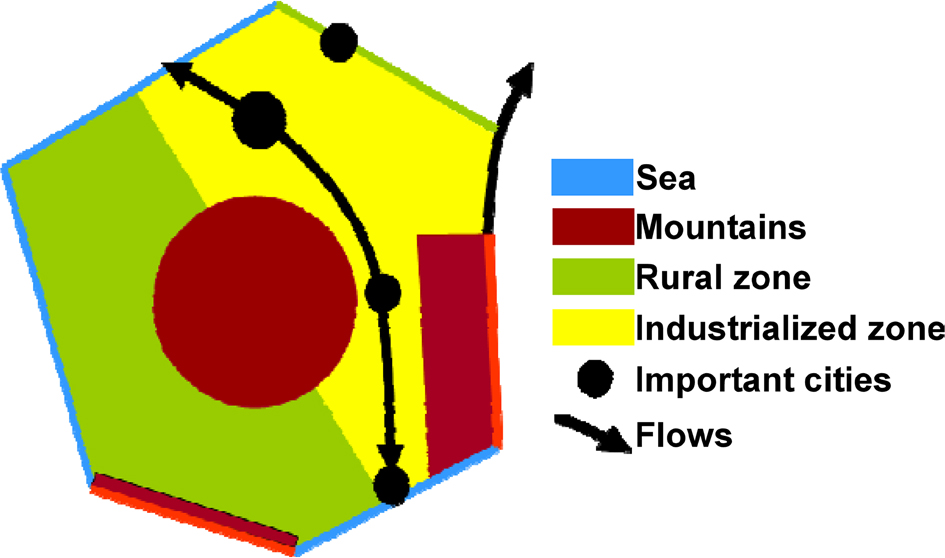
Fig. 1.
Chorem of France (Laurini et al. 2007).
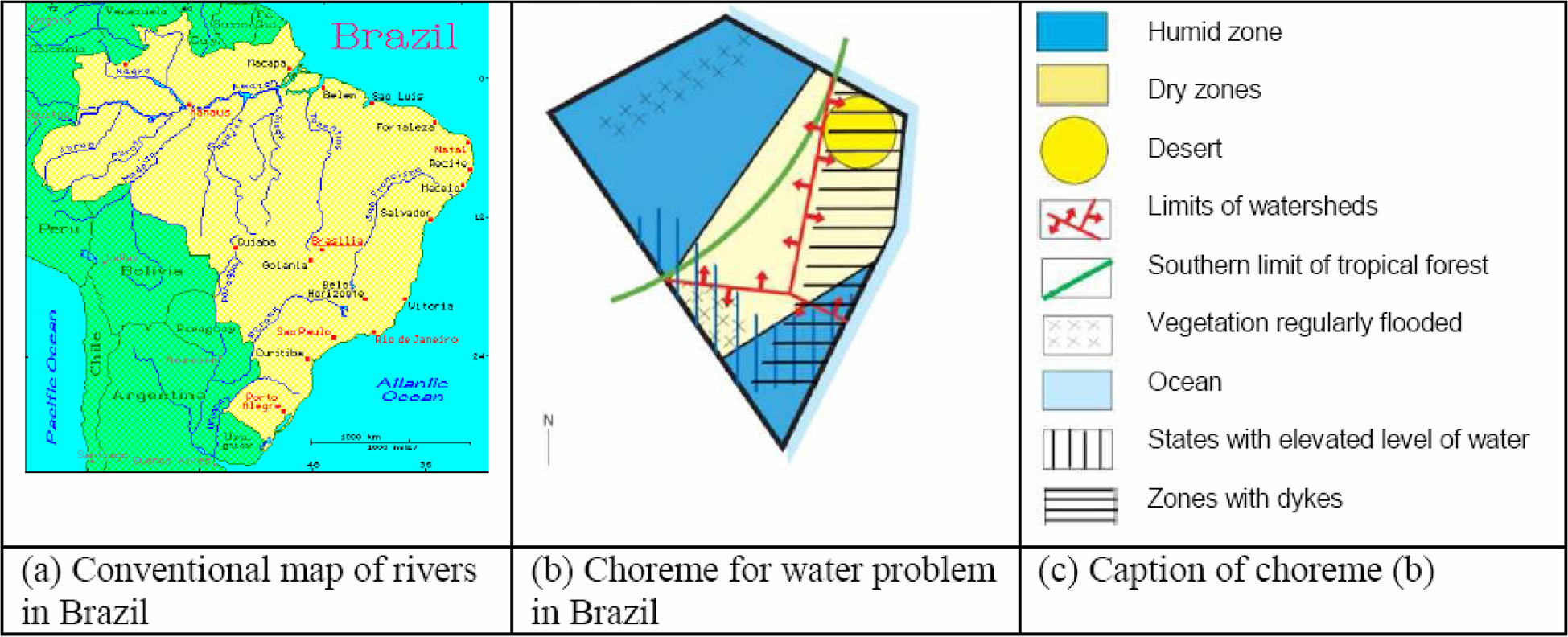
Fig. 2.
Chorem of Brazil (Laurini et al. 2006).
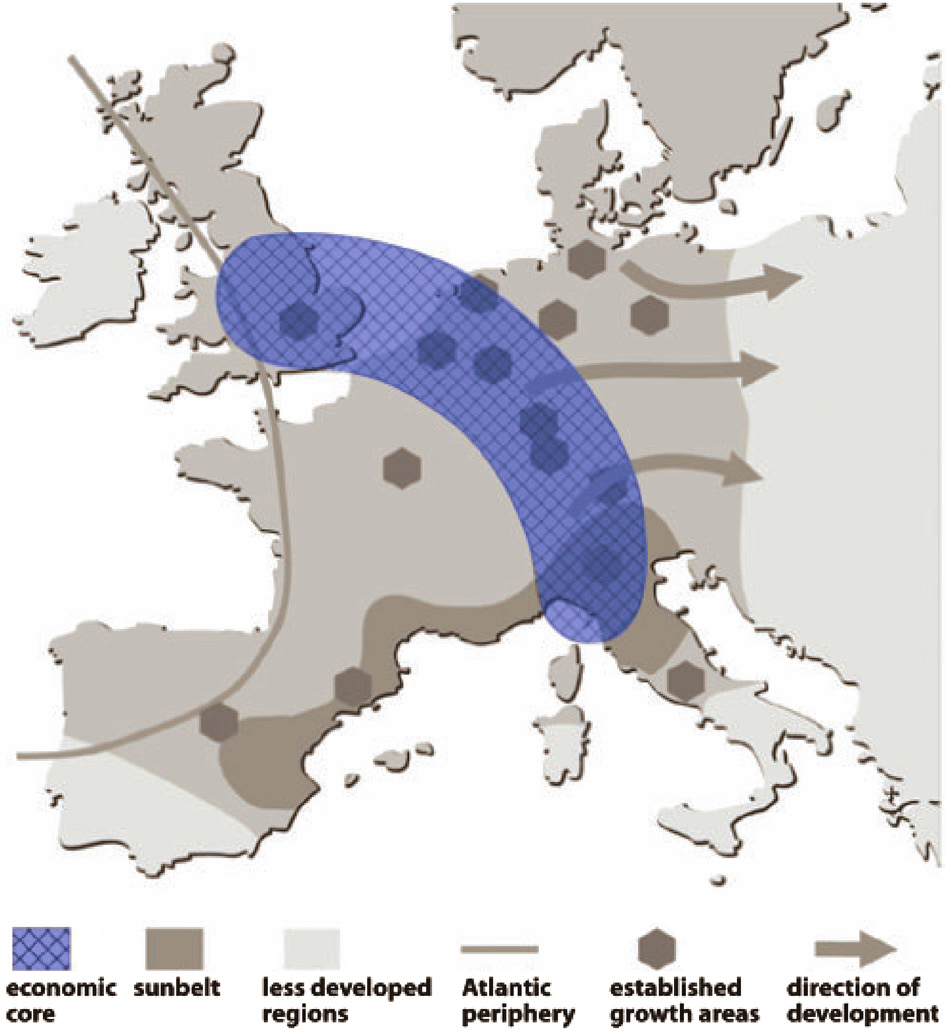
Fig. 3.
‘Blue banana’ chorem of European Union (Reimer 2010).
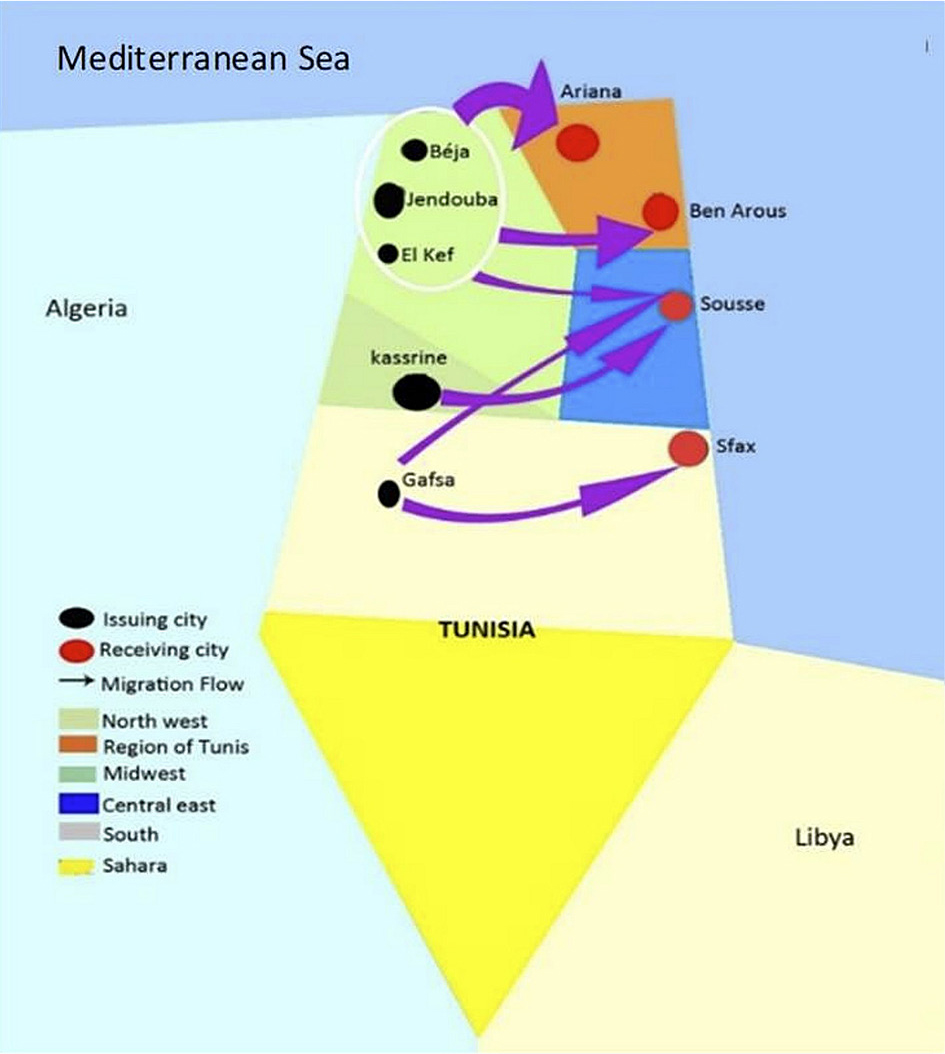
Fig. 4.
Migration in Tunisia (Cherni 2015).
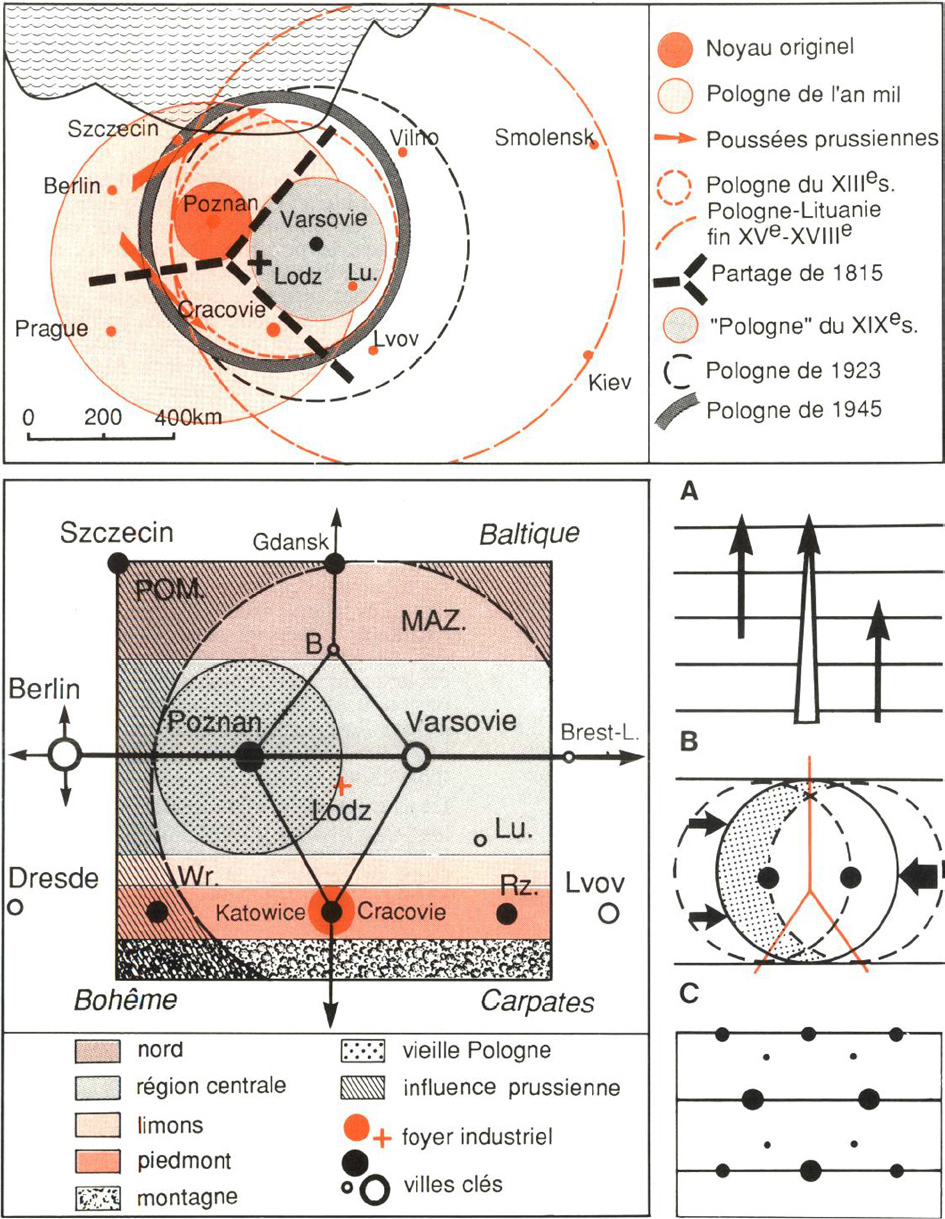
Fig. 5.
Brunet choremes titled ‘In Poland, that is to say nowhere’ (Brunet 1986b).
Table 1.
Data sources and indicators used.
| Data sources | Indicator |
|---|---|
| Delimitation of problem areas in Poland (Śleszyński et al. 2017) | Problem areas in Poland |
| Delimitation of the Functional Urban Areas around Poland’s voivodship capital cities (Churski et al. 2023) | External zones to Functional Urban Areas around the voivodship cities |
| Spatial differentiation of the Poland population standard of living (Majka 2015) | Hellwig’s development indicator |
| Demographic Atlas of Poland (GUS 2017) | Population density, urbanisation rate, net migration for permanent residence, share of population accounted for by people of post-productive age (60/65+ years), unemployment |
| Statistical Atlas of Poland (GUS 2018) | Satisfaction with Life Index, Gross Domestic Product (GDP) per capita, border traffic-rate of impact, economy – entrepreneurship, forest area, pollutions |
| Incomes and living conditions of the population of Poland– report from the European Union-SILC survey of 2022 (GUS 2023) | The at-risk-of-poverty rate after social transfers by Nomenclature of Territorial Units for Statistics 2 (NUTS 2) in 2022 |
| Land cover changes and flows in the Polish Baltic coastal zone: A qualitative and quantitative approach (Bielecka et al. 2020) | Net changes in forest, agriculture and artificial areas |
Table 2.
Function used (based on Bertin 1967, Brunet 1993, Ducruet 2006).
| Chorems elementary functions | Graphical signs | Comments | References to Bertin visual variables |
|---|---|---|---|
| Specialised | 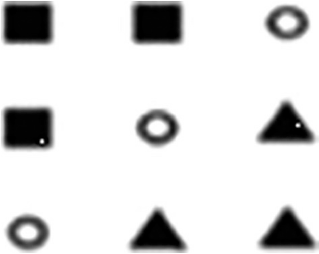 | Indication of the cities’ functions ( capital, port cities/groups of port cities, other important cities) | Shape, colour, size, value |
| Gradient | 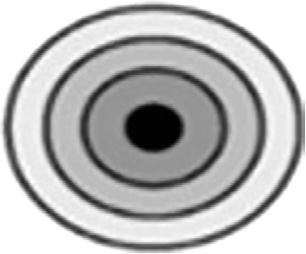 | Zones of influence: the magnitude of the impact is illustrated by the brightness (impact zones of major cities) | Value (lightness), size, colour, shape |
| Closure | 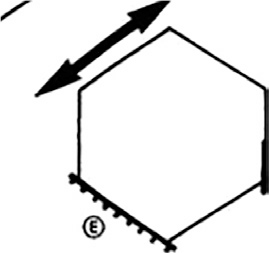 | Closed boundary (country borders) and aperture (e.g. sea) | Colour, shape, size, orientation, grain, value |
| Axis and its derivations (tropism) | 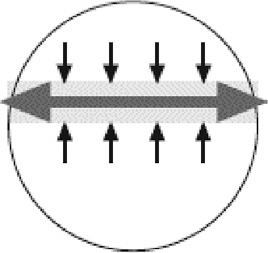 | Line of limitations and obstacles (rivers) | Colour, shape, size, orientation, value |
| Surface | 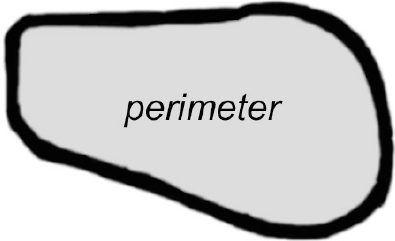 | Area representing the chosen phenomenon (industrial area, urbanisation lag, transformational shock, internal periphery) | Colour, value, size, grain |
| Trend surface |  | Areas in which the phenomenon is observed to be developing in a particular direction (direction of area exclusion with: urbanisation lag, transformational shock, internal periphery, direction of area exclusion) | Colour, shape, size, orientation, grain, value |
| Dissymmetry |  | Centre of growth versus repulsiveness area | Size, shape, colour, value |
| Gravitation | 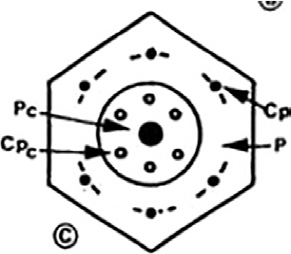 | Centre-periphery model | Size, shape, colour, orientation, value |
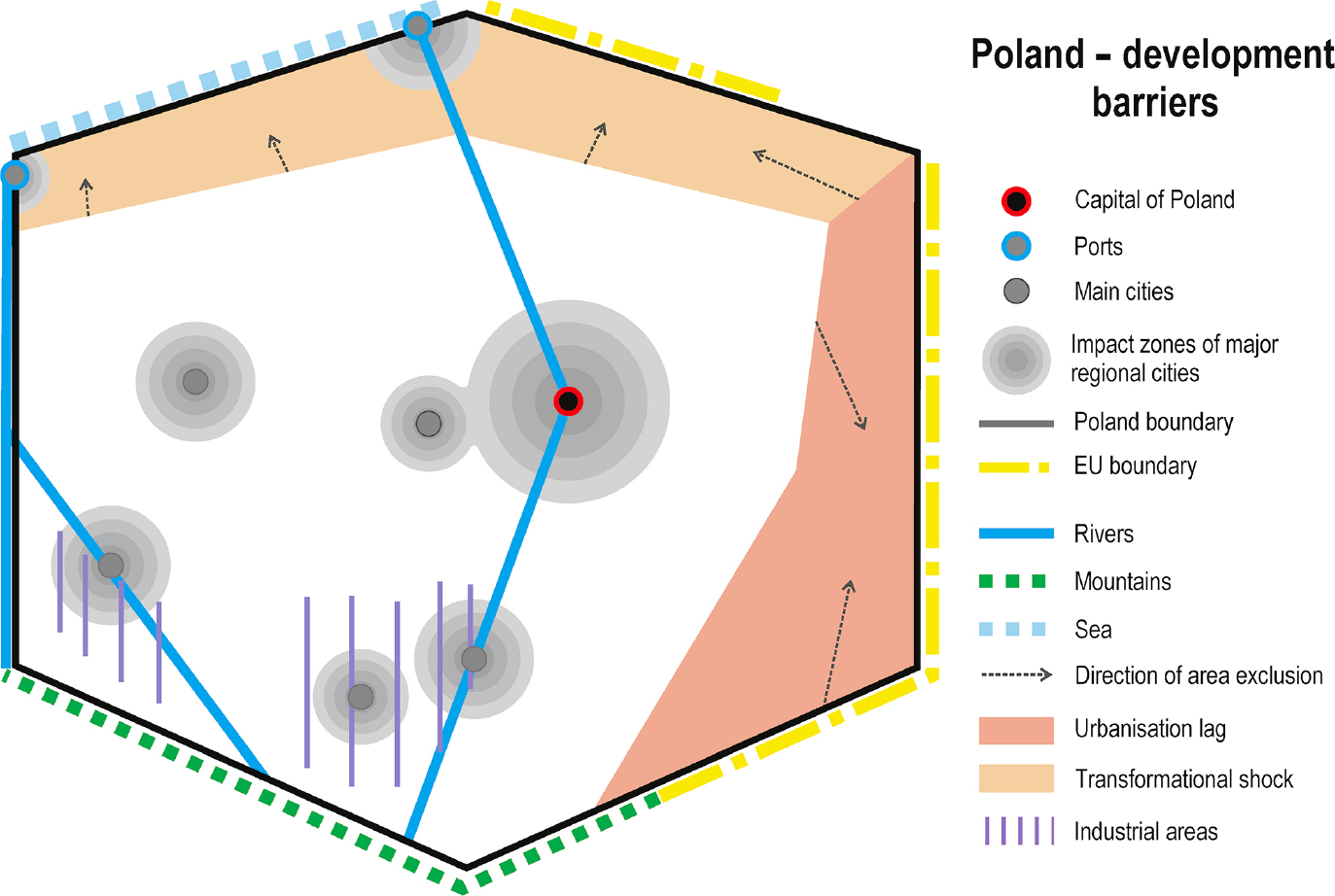
Fig. 6.
Development of regions in Poland.