
The Limited Use and Non-Use of Digital Tools and Technologies in the Activities of Political Parties in Poland
Michał Jacuński
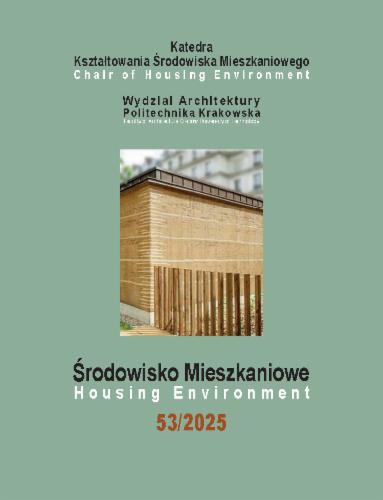
Public Space as the Fabric Connected to an Evolving City Structure: Case Study of Powiśle Północne, Warsaw, Poland
Anna Maria Wierzbicka, Paweł Trębacz, Magdalena Duda, Tadd Heidgerken
Legal and Ethical Issues Related to the Use of Artificial Intelligence in the Field of Justice
Halina Sierocka
Munich’s Olympiadorf: Synthesis of an Urban Audit’s Results
Jolanta Tofil
The Constitutionalization of the Internet and the Right to Non-Use
Joanna Wegner
Prawo dostępu do Internetu, prawo do niekorzystania z Internetu i prawo do bycia offline a prawo do prywatności – czy multiplikacja praw człowieka jest remedium na ich efektywność?
Iwona Wrońska, Ewelina Cała-Wacinkiewicz, Maciej Nyka

Some mathematical and geometrical interpretations of the Sator Square
Paul Dario Toasa Caiza
Reverse Divisors and Magic Numbers
Eudes Antonio Costa, Ronaldo Antonio Santos
Czas pracy a prawo do bycia offline – analiza w świetle koncepcji „non-use of technology” w prawie polskim i unijnym
Katarzyna Sakowska, Karolina Zapolska
Beyond chance: Predicting the unpredictable
Leonard M. Wapner
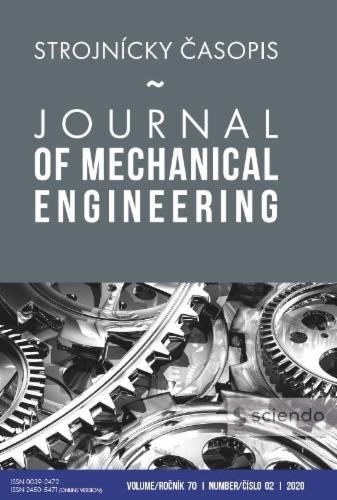
Integrated Workflow of Reverse Engineering, Topology Optimization and Additive Manufacturing for a Motorcycle Swingarm Component
Terézia Šalkovičová, Juraj Ondruška, Filip Korec, Roman Protasov
Evaluation of Thermal Retrofit Variants for Facades in High-Rise Large-Panel Residential Buildings: Impact on Energy Demand Using the BESM Model
Dariusz Gaweł, Łukasz Guz, Natalia Jakubiak