
Figure 1.
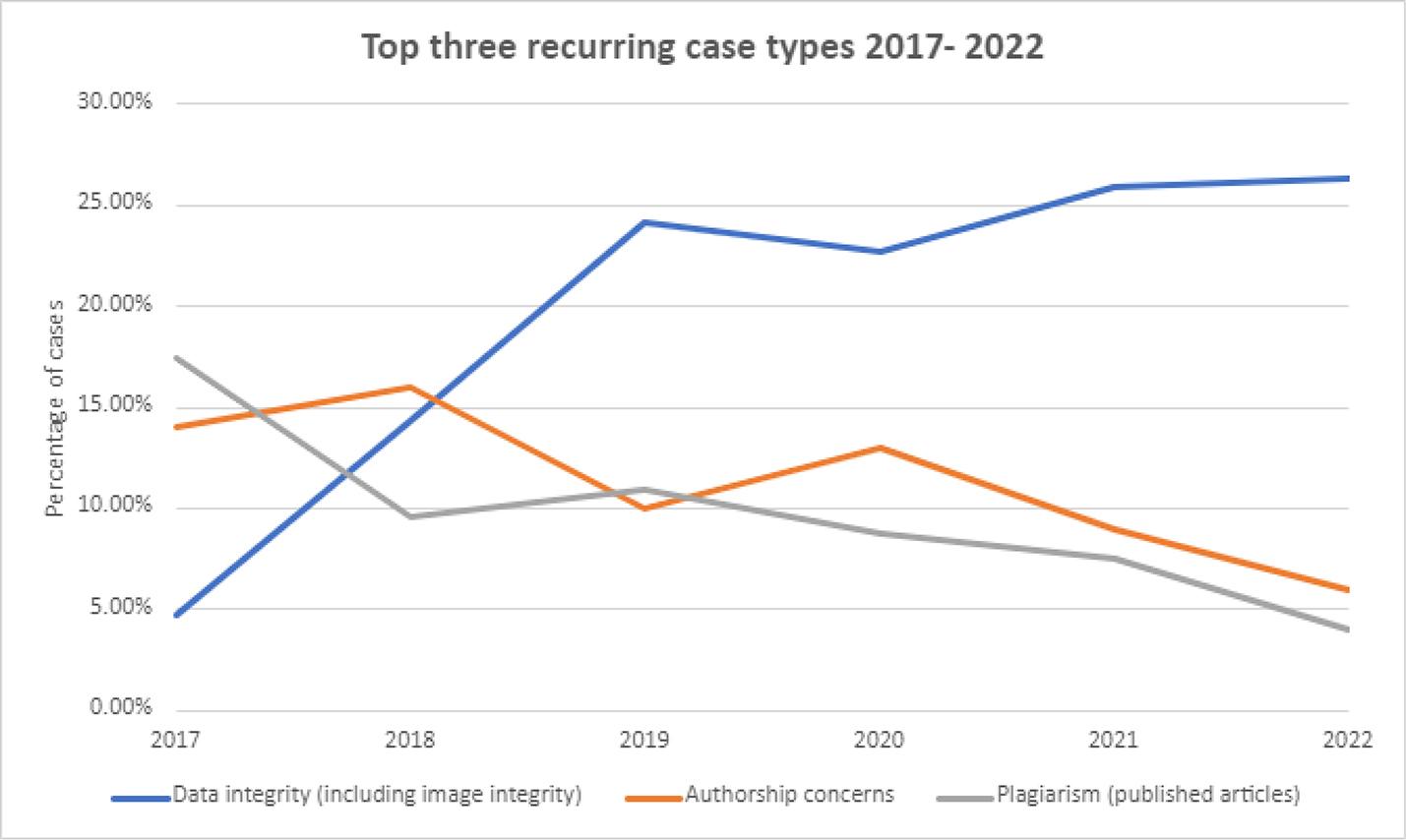
Figure 2.
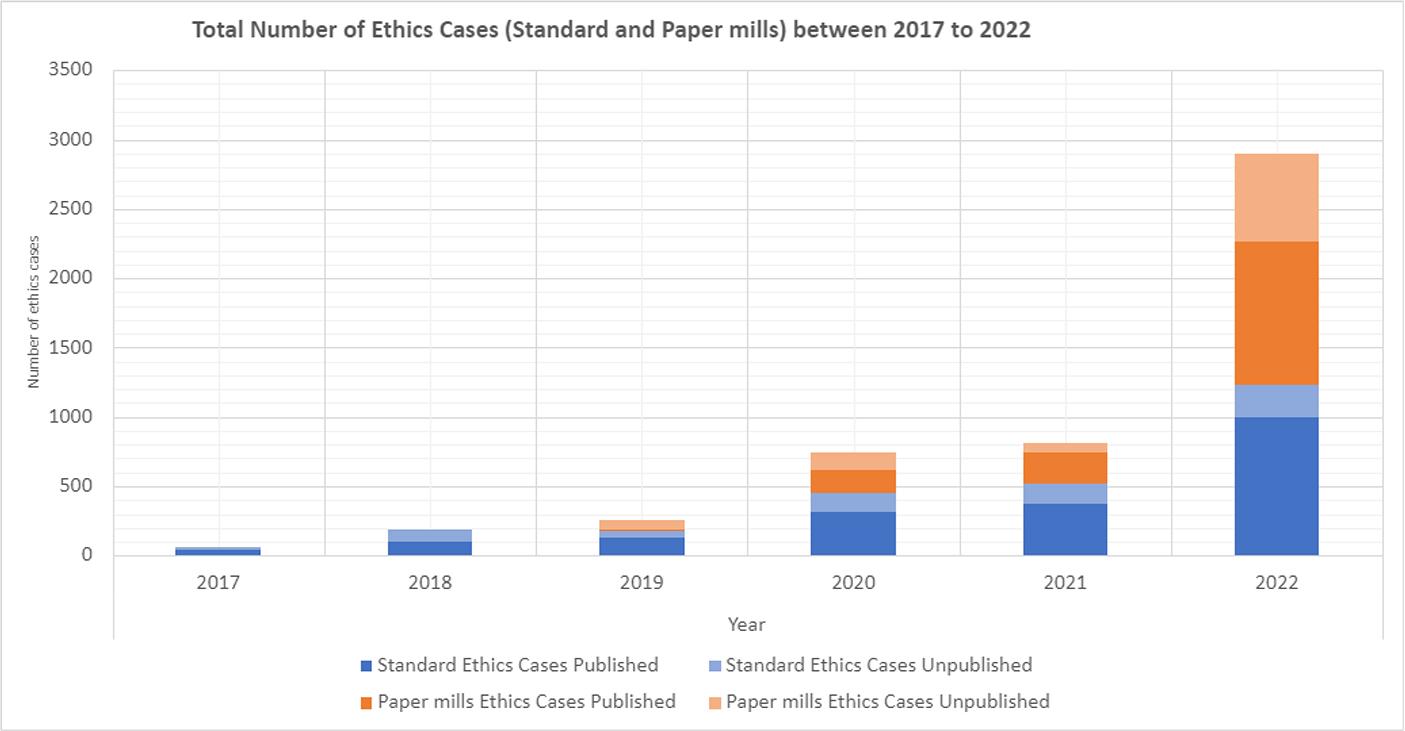
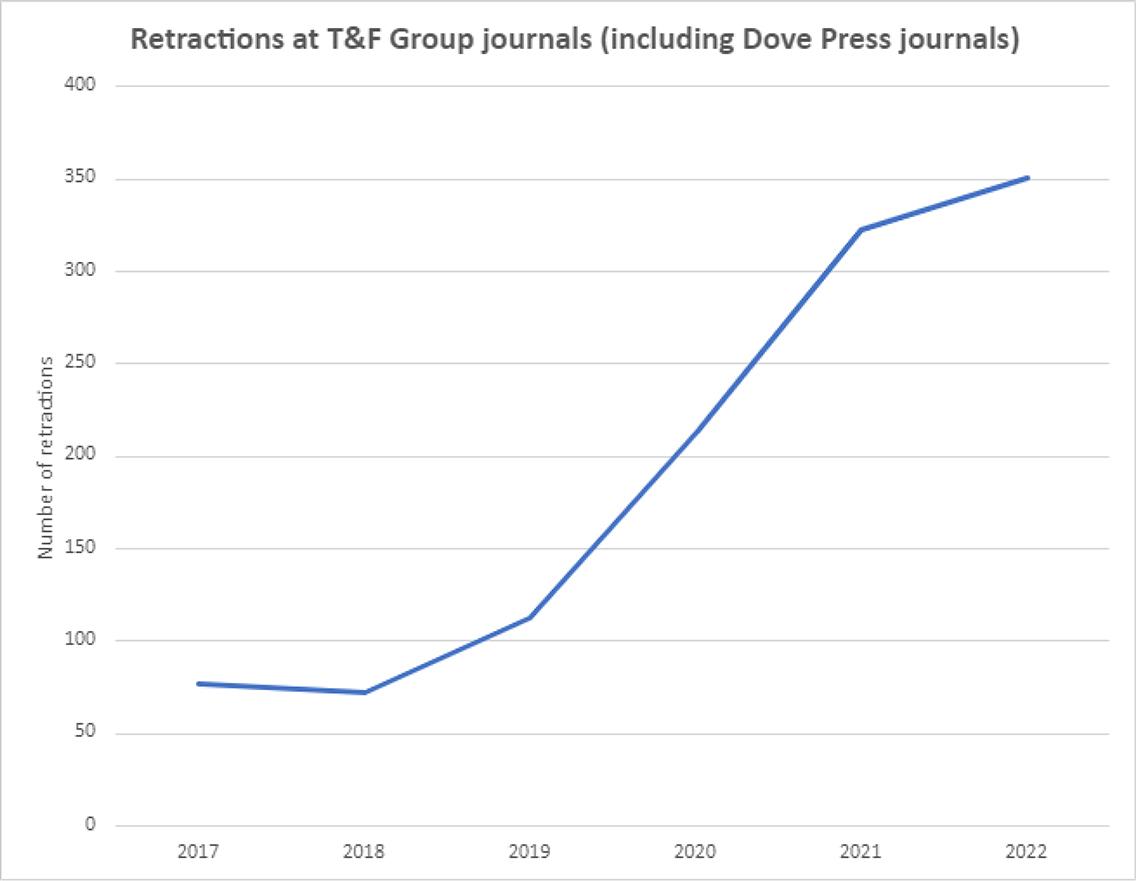
Figure 3.
Principles followed by the Ethics team when handling an ethics investigation_
| Assessment | Assess the allegation on the merit of the concerns raised- what evidence is there, how does this impact the article? Are there competing interests? |
| Due diligence | Ensure appropriate due diligence at every step. |
| Objective | Make no assumptions- approach any investigation with an open mind. |
| Care & attention | Ensure that any allegation is taken seriously; any documentation or correspondence must be handled carefully. |
| Timeliness | Ensure actions are taken in a timely way, with clear expectations about deadlines, and a process to monitor those. |
| Confidential | Ensure any sensitive information during an investigation remains confidential and is not shared with any third parties (including complainants), as premature sharing of sensitive information can compromise the process. |
| Professional tone | Ensure all correspondence remains professional and respectful, even when being on the receiving end of unprofessional correspondence. |
| Right of reply | Where possible, ensure that individuals are given an appropriate amount of time to reply to any concerns. |
| Anonymity | Where complaints are made by people who do not wish to reveal their identity, efforts must be made to keep them anonymous. |