
Figure 1
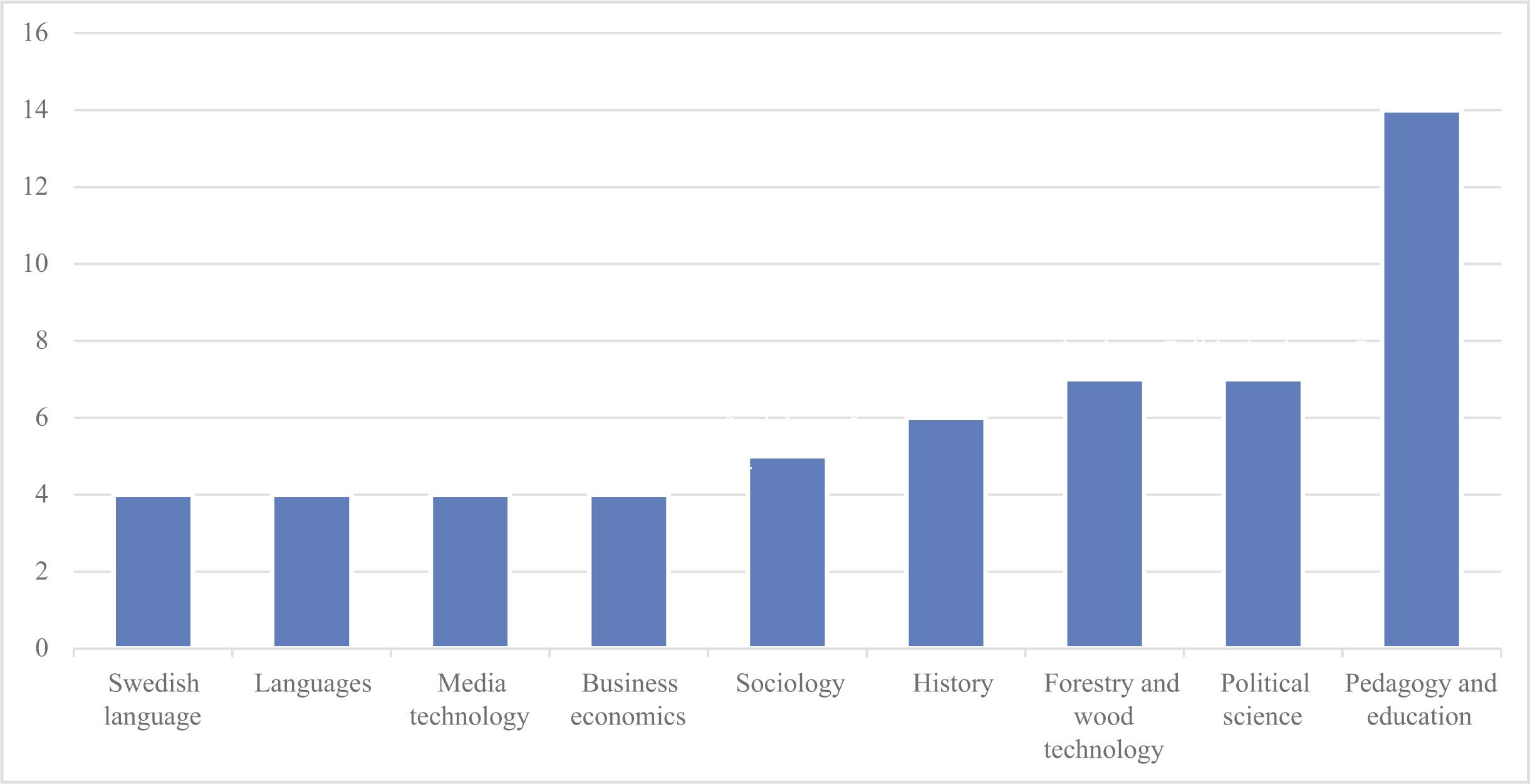
Figure 2
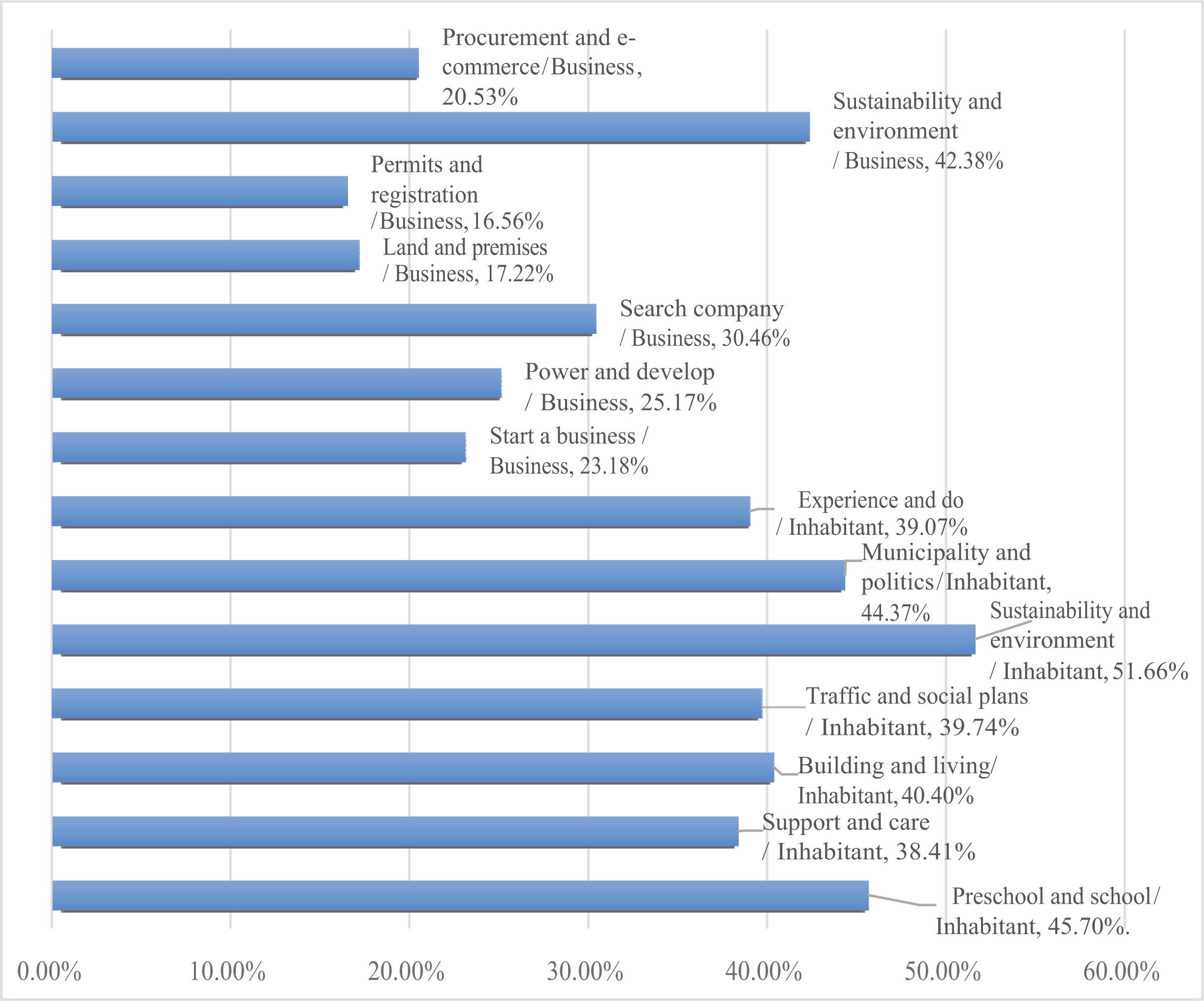
A comparison of two approaches to OGD, derived from Lassinanti, Bergvall-Kårborn, and Ståhlbröst (2014)_
| Stockholm local strategy on OGD | Skellefteå local strategy on OGD | |
|---|---|---|
| Target groups | Technical experts and companies | Local community and (young) citizens |
| Desired practical outcomes | Development of economically sustainable and revenue driven services | Empowered citizens’ collaboration for public sector innovation |
| General aim | Open data platform for economic growth | Regional co-operation and co-creation of social growth |
| Strategy | Top-down approach | Broader and more reflective approach |
Age distribution_
| Age range | <18 | 18–25 | 26–35 | 36–45 | 46–55 | 56–65 | Over 65 |
|---|---|---|---|---|---|---|---|
| Number of respondents | 0 (0%) | 10 (6.62%) | 26 (17.22%) | 37 (24.50%) | 38 (25.17%) | 34 (22.52%) | 6 (3.97%) |
| Total | 151 (100%) | ||||||